
Selective Accommodation? ICC Under Fire as Data Reveals Bangladesh’s Massive Viewership Clout
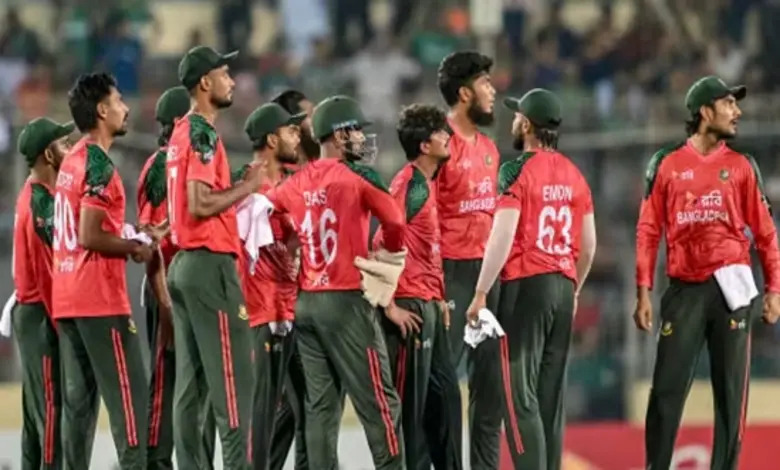
The International Cricket Council (ICC) is facing intensifying scrutiny following its decision to exclude Bangladesh from the 2026 T20 World Cup. High-profile critics, including former Pakistan cricketer Mohammad Yousuf, have accused the global governing body of being “influenced” by external pressures and failing to maintain administrative consistency.
Central to the controversy is the “viewership math” shared by Yousuf on social media. According to his figures—which noted could not be independently verified due to a lack of public data—Bangladesh’s individual cricket audience is nearly equal to ten other participating nations combined. Yousuf claimed that while countries like New Zealand, Australia, Scotland, the Netherlands, and Afghanistan collectively draw 178 million viewers, Bangladesh alone accounts for 176 million. He argued that sidelining such a significant demographic raises fundamental questions about the sport’s governance.
The dispute stems from the Bangladesh Cricket Board’s (BCB) refusal to travel to India for the tournament, citing security concerns and requesting a venue shift. The ICC rejected these pleas, maintaining that the schedule could not be altered at such a late stage. Consequently, Scotland was confirmed as Bangladesh’s replacement, qualifying as the next-highest-ranked side.
ALSO READ : The ICC Threatens Pakistan with Sanctions Over PCB Chief’s Support for Bangladesh in T20 World Cup Dispute



Yousuf and other former players, including Shahid Afridi and Kamran Akmal, have labeled the ICC’s stance as “selective accommodation.” They pointed to the precedent set during last year’s Champions Trophy, where the ICC allowed a neutral venue in Dubai to accommodate India’s refusal to travel to Pakistan. Critics argue that if security concerns are valid for one nation, they should be treated with equal weight for others.
The sentiment was echoed by former Australia pacer Jason Gillespie, though he reportedly deleted his comments following social media backlash. As it stands, the ICC remains firm on its decision, despite allegations that the sport is being administered by influence rather than principle. While the tournament is set to proceed with Scotland in Group B, the fallout continues to highlight deepening fractures within the international cricket landscape.