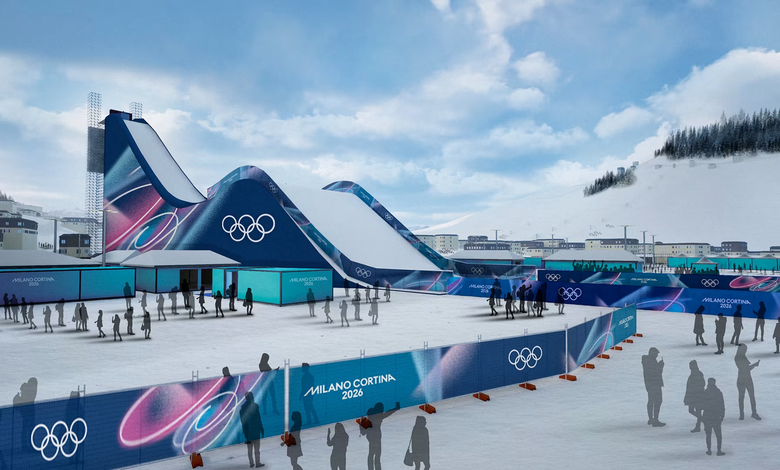
The 2026 Winter Olympics, namely referred to as Milano-Cortina Games 2026, are set to take place in northern Italy from February 6 to 22, 2026 with preliminary events beginning slightly earlier. The Games will be hosted across multiple cities and mountain venues -a first in Winter Olympic history for such geographic spread with Milan and Cortina d’Ampezzo serving as principal hubs.
Schedule and Results-
The opening ceremony will unfold at the iconic San Siro Stadium in Milan on February 6, before athletes compete across 116 medal events in 16 winter sports. The final competitions and closing ceremony are scheduled for February 22 at the historic Arena di Verona, combining ancient architecture with modern athletic achievement.
Unlike previous editions concentrated in one city, Milano-Cortina 2026 will utilize clusters of venues dispersed across more than 22,000 square kilometres, from icy urban arenas to alpine slopes. Milan will host ice sports such as figure skating, ice hockey and speed skating, while mountain towns will stage traditional snow events.
Also read : Mary Kom Issues Tearful Apology After Backlash Over ‘Ek Rupya Bhi Nahi Kamaya’ Remark | Video
In the Dolomites and surrounding Alpine regions, Cortina d’Ampezzo will host curling, bobsleigh, skeleton and luge, alongside women’s Alpine skiing at Tofane. Nearby towns such as Bormio and Livigno will accommodate men’s Alpine skiing, ski mountaineering making its Olympic debut and freestyle snowboarding events.
Further afield, the Val di Fiemme area will host ski jumping, cross-country skiing and Nordic combined events, while Anterselva/Antholz will be the stage for biathlon competitions. Organisers are using primarily existing venues or temporary facilities, minimising new construction and keeping sustainability in focus. In addition to the sporting programme, the Olympic torch relay began in Olympia, Greece in late 2025, travelling through all 110 Italian provinces before culminating in Milan for the opening ceremony.
The 2026 Games also introduce broader community and cultural elements, from mascots and artistic features at ceremonies to enhanced broadcasting plans that aim to reach global audiences throughout the competition period.
-

-

-
-