Ex-BCB Official Alleges PCB Chief Mohsin Naqvi Misled Bangladesh Into T20 World Cup Boycott Disaster
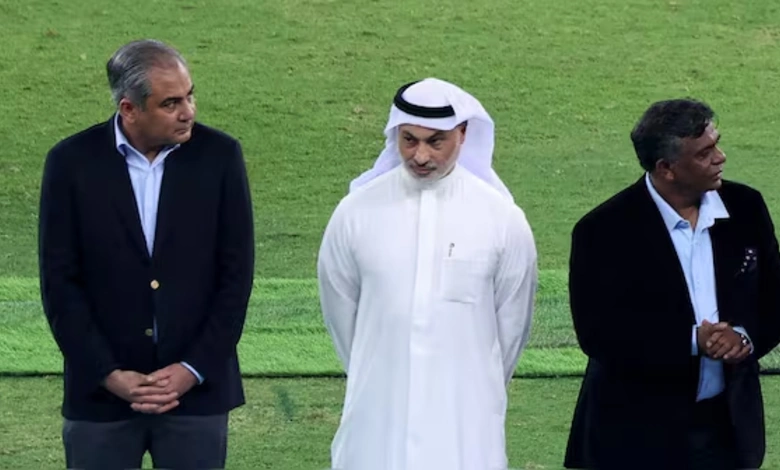
A former senior Bangladesh Cricket Board (BCB) figure has claimed that Pakistan Cricket Board (PCB) chairman Mohsin Naqvi significantly influenced Bangladesh’s decision to boycott their T20 World Cup 2026 fixtures in India, a move that ultimately resulted in the team’s ouster from the tournament.
The dispute originated when the Board of Control for Cricket in India (BCCI) excluded Bangladesh pacer Mustafizur Rahman from the Indian Premier League (IPL), prompting Dhaka to demand relocation of their matches to Sri Lanka—mirroring arrangements made for Pakistan. Despite the International Cricket Council (ICC) providing firm security guarantees, the BCB refused to budge. When talks collapsed, Scotland stepped in as replacements.
Syed Ashraful Haque, who previously served as BCB secretary and CEO of the Asian Cricket Council (ACC), made the accusations in an interview with Revsportz. He suggested that BCB president Aminul Islam may have been swayed by Naqvi, who holds dual roles as Pakistan’s Interior Minister and ACC president.
Haque remarked: “Possibly, though I prefer not to discuss politics. As a cricket administrator, I focus on honesty and commitment. Aminul Islam, likely being naive, was influenced by Mr. Mohsin Naqvi, the current ACC president, who persuaded him to go along. At the end of the day, who won?”

He described the BCB’s approach as falling into a “trap,” accusing the leadership of prioritizing government directives over the needs of players and supporters. Haque pointed to the severe impact on prominent cricketers like Liton Das, Mustafizur Rahman, and Najmul Shanto—all in their early 30s—calling their absence from the global event a clear injustice. He emphasized Bangladesh’s intense cricket passion, ranking perhaps second only to India’s, and labeled the denial of World Cup participation a profound disappointment for fans.
Haque also scrutinized the Bangladesh government’s involvement, particularly under the former Sports Adviser Asif Nazrul, deeming the boycott premature and unjustified. He argued that ample time existed to engage with the BCCI or Indian authorities for resolution. The ICC had arranged the tournament with security provisions in place, and further assurances could have been sought if required.
While Pakistan initially backed Bangladesh’s position and even floated a potential broader withdrawal, they ultimately competed in the event, including fixtures in India.