
Gen Z Embraces Devotional Music Through Modern Bhajan Remix Culture
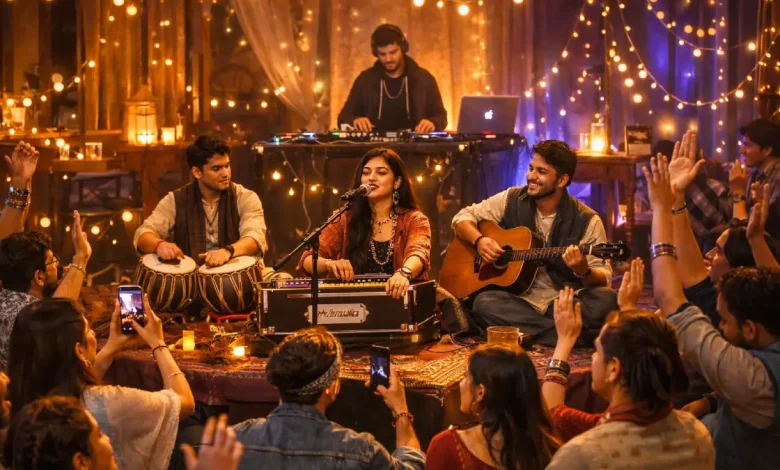
As technology reshapes daily life at breakneck speed, age-old customs face the risk of fading into obscurity. Previous generations treasured bhajan sandhyas devotional gatherings during religious celebrations that strengthened both faith and community bonds. Senior family members now express concern that today’s youth, absorbed in digital worlds, may lose touch with these spiritual practices. However, imposing traditional formats unchanged could push younger generations further away. The answer requires adaptation: reimagining bhajans through contemporary lenses while preserving their core meaning.
Success depends on energizing bhajans without compromising their spiritual depth. A promising method involves blending classical devotional melodies with modern musical styles. Various collectives throughout India have championed this approach, maintaining authentic lyrics and tunes while incorporating dynamic rhythms, electronic production, and cross-genre influences. This emerging “bhajan clubbing” phenomenon has gained momentum in metropolitan areas, transforming devotional music into lively alcohol-free events drawing thousands of young participants.
These gatherings merge timeless devotion with current musical trends. Live ensembles perform beloved pieces such as “Shri Krishna Govind Hare Murari,” “Ram Siya Ram,” or “Shiv Tandav” enhanced with techno, EDM, folk-fusion, or indie rock elements. Classical instruments including harmonium, tabla, and mridangam combine with guitars, synthesizers, and bass guitars, producing tracks that maintain devotional integrity while encouraging movement. Settings vary from rooftop venues and cafés to larger concert spaces, featuring atmospheric lighting, communal chanting, and enthusiastic crowds experiencing natural euphoria.
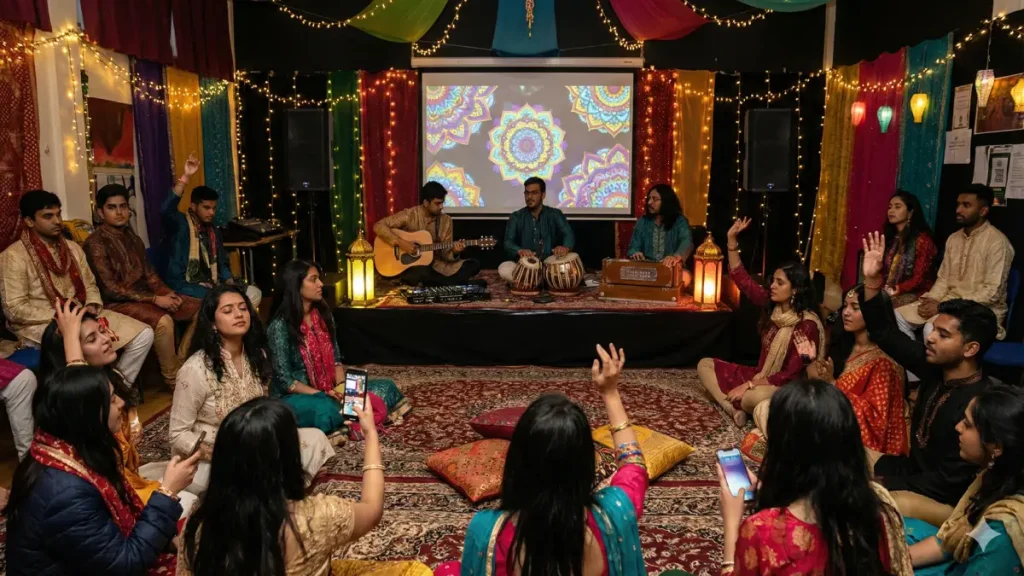
Organizations like Backstage Siblings spearhead this transformation, organizing jam sessions and performances throughout Mumbai, Delhi, Bengaluru, and beyond. Their shows attract Gen Z and millennials searching for connection and stability in an overwhelming world. Meanwhile, various artists explore electronic devotional compositions, rock interpretations (such as Madhavas Rock Band), or international musical fusions, making bhajans approachable and enjoyable.



This evolution represents renewal rather than compromise. Young people are reshaping spiritual engagement on their terms, discovering tranquility in traditional mantras paired with contemporary rhythms. The movement fosters community, alleviates anxiety, and preserves cultural heritage. Older generations’ hopes for basic devotional literacy are fulfilled as youth eagerly engage.
Read More: Makar Sankranti : Black Clothes, Til Laddoos & Their Significance
Through remixed formats and club-style presentations, the generational divide narrows. Bhajans retain their eternal value while their delivery modernizes, ensuring Gen Z not only recognizes them but genuinely embraces them. In today’s rapid environment, such creative approaches sustain traditions as living, relevant practices.