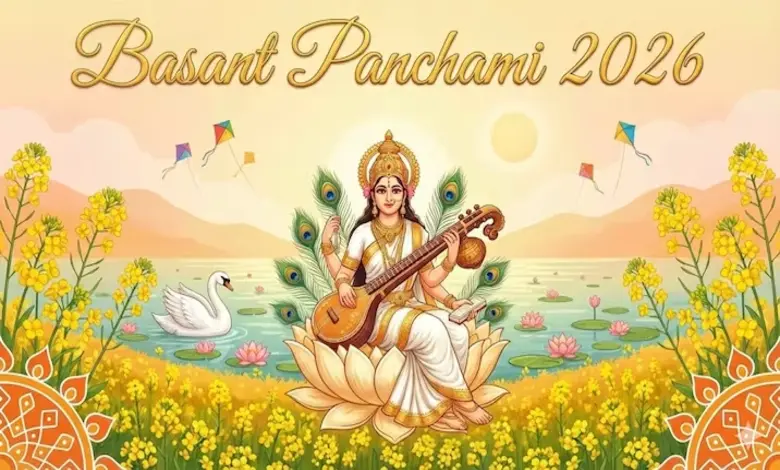
Basant Panchami, a vibrant Hindu festival, heralds the onset of spring and is widely observed across India with enthusiasm and devotion. Also referred to as Vasant Panchami or Shri Panchami, the occasion is primarily dedicated to Goddess Saraswati, the deity embodying knowledge, wisdom, music, arts, and intellectual pursuits.
In 2026, Basant Panchami falls on January 23, aligning with the fifth day (Panchami) of the Shukla Paksha in the Hindu month of Magha.
The festival carries deep religious importance as it signals the arrival of Rituraj, the king of seasons—spring—when nature rejuvenates with fresh blooms and vitality. Devotees honour Goddess Saraswati, seeking her blessings to dispel ignorance, lethargy, and mental fog while fostering clarity, creativity, and progress. Students, scholars, musicians, artists, and others engaged in learning or creative fields regard this day as especially auspicious for initiating new endeavours or receiving divine inspiration for success.
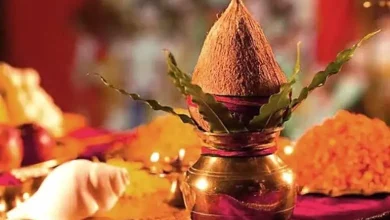
Rituals for Saraswati Puja begin early. Participants rise at dawn, bathe for purification, and don traditional attire in yellow or white hues—colours symbolising purity, brightness, and the spring season. Black and red garments are typically avoided. Homes are adorned with marigold flowers, and intricate rangoli patterns are created using rice flour and water.
Many students undertake a partial fast until offerings are made to the goddess. The most favourable window for performing the puja on January 23, 2026, is between 7:13 am and 12:33 pm. Worship ideally faces east or north, with heightened auspiciousness noted around 2.5 hours before sunrise or sunset.
Offerings often include yellow flowers, fruits, sweets such as saffron halwa and boondi laddus, and sacred books or musical instruments placed before the idol or image of Saraswati. Following the ceremonies, prasad of sweets and fruits is shared with family members and neighbours.
ALSO READ : Why Do People Eat 12 Grapes at Midnight on New Year’s Eve?
Regional traditions add variety to the celebrations. In parts of North India, kite flying gains prominence, filling the skies with colour. In eastern states like Bengal, Odisha, and Assam, Saraswati Puja is marked with particular reverence, featuring elaborate setups and community participation.
Yellow attire remains a unifying custom nationwide, reflecting the spirit of renewal and optimism. Through these time-honoured practices, Basant Panchami not only welcomes the seasonal change but also reaffirms the enduring value placed on education, wisdom, and artistic expression in Indian culture.