
Central Intervention Follows Detection of Two Suspected Nipah Cases in West Bengal
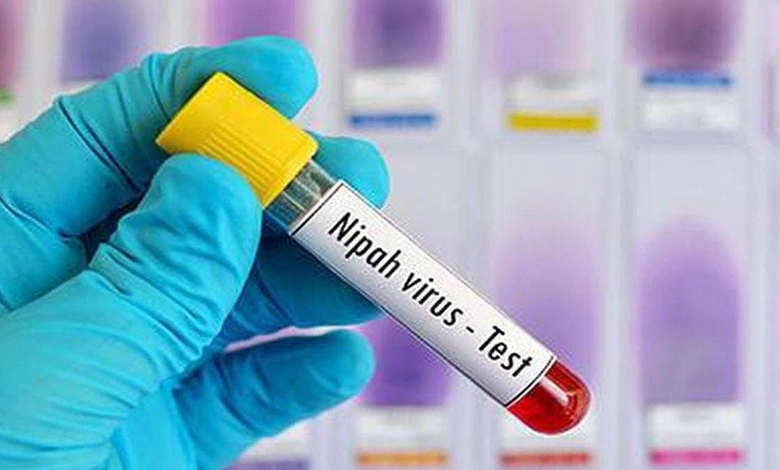
Kolkata : Authorities in West Bengal have confirmed two suspected cases of Nipah virus infection among healthcare workers from a private hospital in Barasat, North 24 Parganas district. The individuals are currently receiving treatment and are under close observation at the facility where they are employed.
The cases came to light on the night of January 11, 2026, following tests conducted at the Virus Research and Diagnostic Laboratory of the Indian Council of Medical Research (ICMR) at the All India Institute of Medical Sciences (AIIMS) in Kalyani, Nadia district. State officials have initiated comprehensive contact-tracing efforts spanning North 24 Parganas, Purba Bardhaman, and Nadia districts, as the patients had recently visited Purba Bardhaman for personal reasons. Neither had traveled outside West Bengal recently, and families are being kept informed.
West Bengal Chief Secretary Nandini Chakraborty addressed the public, urging calm while emphasizing vigilance. She advised against panic, misinformation, and stressed adherence to hygiene protocols. The state has activated three helpline numbers—03323330180, 9874708858, and 9836046212—to address public concerns. Health Secretary Narayan Swaroop Nigam joined the briefing but withheld specific patient details citing privacy.
In response, the Union Health Ministry has mobilized a national joint outbreak response team comprising specialists from the All India Institute of Hygiene and Public Health in Kolkata, National Institute of Virology (NIV) in Pune, National Institute of Epidemiology (NIE) in Chennai, AIIMS-Kalyani, and the Ministry of Environment, Forest and Climate Change’s wildlife division. The team is assisting with containment, surveillance, and public health measures.




ALSO READ : West Bengal CM Mamata Banerjee Alleges Data Theft By ED, Claims To Have Pen Drives Against Amit Shah
A senior Health Ministry official described the response as high-priority, noting Nipah’s zoonotic nature, high fatality rate, and risk of swift transmission. Central guidelines have been forwarded to the state’s Integrated Disease Surveillance Programme (IDSP), and the Public Health Emergency Operations Centre at the National Centre for Disease Control (NCDC) in Delhi is coordinating the national effort.
Union Health Minister J.P. Nadda contacted West Bengal Chief Minister Mamata Banerjee by letter and phone, pledging complete central backing. This includes laboratory assistance, intensified monitoring, case handling, infection control, and expert advice. Ms. Banerjee reportedly visited the hospital late on January 11.
Nipah virus, primarily transmitted from bats, can also spread via contaminated date palm sap—common in winter in parts of West Bengal—or in some instances from pigs. Incubation lasts 4-14 days, with symptoms resembling flu: fever, muscle aches, sore throat, and breathing issues, potentially escalating to severe respiratory distress or neurological complications. Subarna Goswami, a senior epidemiologist, recommended publishing patient travel routes for better tracing and avoiding raw date palm sap, though boiled or processed forms pose no risk.
No vaccine exists for Nipah, and management relies on isolation and supportive care. Some carriers may show no symptoms, underscoring the need for thorough tracing. West Bengal’s last Nipah outbreak occurred in 2007, while India’s most recent prior incident was in Kerala in August 2025.