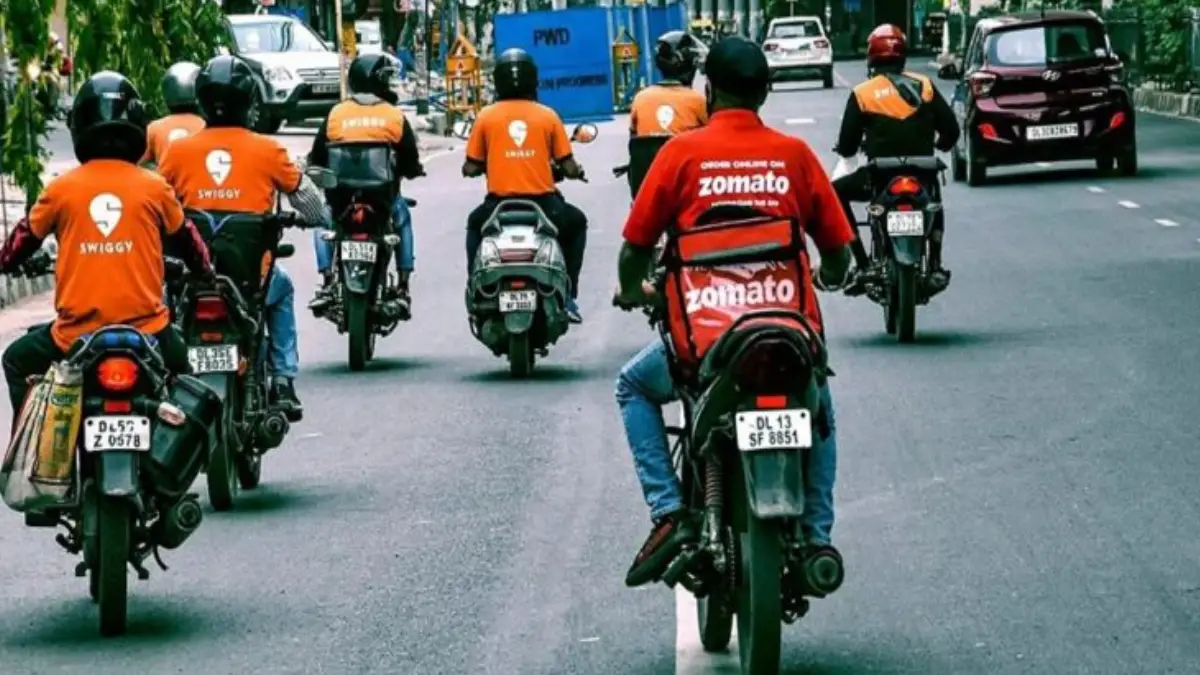
Tens of thousands of app-based platform workers across India logged off on New Year’s Eve, one of the busiest days for delivery and ride-hailing services, in a powerful protest against grueling work environments. For these individuals, who rely on daily wages, bear significant debts, and have invested heavily in vehicles and equipment, forgoing peak earnings represents a profound sacrifice. This action underscores the unbearable strains in the gig economy and the growing resolve of an organized workforce demanding rights, safety, and respect.
Globally, protections for platform workers are advancing. On December 18, the New York City Council overwhelmingly approved legislation requiring platforms to provide due process and just cause before deactivating worker accounts. Mexico’s federal government recently enacted laws treating most platform workers as employees, granting them minimum wages, paid leave, health protections, bonuses, and profit-sharing. Colombia classifies such workers as employees based on platform control, while Brazil’s Supreme Court affirmed their rights to health, safety, and social security, even amid debates on contractor status. Chile’s Supreme Court upheld treating drivers as employees, and New York City has set minimum pay standards and vehicle caps. The Dutch National Contact Point criticized Uber following a complaint by the International Alliance of App-based Transport Workers, urging better governance.
These shifts emphasize that all workers deserve core protections under the International Labour Organization’s Fundamental Principles and Rights at Work, regardless of classification. Yet India trails, with workers battling basic issues and risky practices like 10-minute deliveries that shift dangers onto them.
ALSO READ : Ordering Food For The New Year Eve ? Check The Strike Details Of Delivery Workers
A comprehensive study by PAIGAM (People’s Association in Grassroots Action and Movement), supported by the University of Pennsylvania and surveying over 10,000 workers, reveals harsh realities: more than 80% work over 10 hours daily, 30% exceed 14 hours, many earn below ₹15,000 (drivers) or ₹10,000 (delivery) monthly, nearly half get no weekly day off, over 99% report health problems, half face violence, and most view arbitrary deactivations as livelihood threats while rejecting 10-minute deliveries.
Workers endure urban hazards—traffic, pollution, extreme weather—under tight algorithmic controls. Strikes caused platform stock dips and prompted tactics like surveillance, deactivations, harassment, and temporary incentives. As Shaik Salauddin, founder of the Telangana Gig and Platform Workers Union and general secretary of the Indian Federation of App-Based Transport Workers, noted, the protest flips pressure onto companies.
The action has sparked broader support, prompting questions about convenience at workers’ expense. It challenges the government to enforce stronger regulations beyond the Social Security Code, prioritizing worker security over profits. Continued mobilization appears essential to address these gaps.