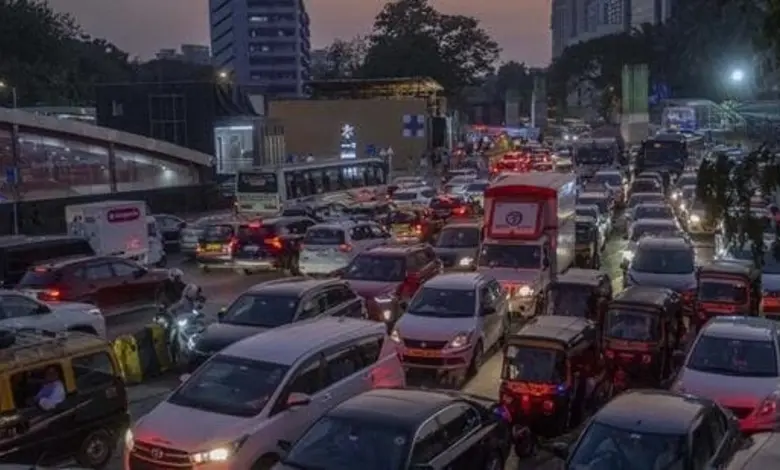
In the heart of Mumbai’s vibrant financial hub, Bandra Kurla Complex (BKC), a pioneering initiative is underway to transform weekly commuting habits. Authorities have introduced a weekly public transport day every Friday, urging office-goers to leave their private vehicles at home and opt instead for trains, metros, buses, and other shared mobility solutions.
The goal is straightforward: ease chronic traffic snarls, cut down on harmful emissions, and foster more environmentally friendly travel patterns in one of the city’s most congested corporate zones. Supporters view the move as a practical step toward long-term sustainability in a metropolis where private cars often dominate daily journeys.
Yet, reactions on the ground are mixed. Many regular commuters express reservations about the program’s design, particularly its restriction to a single day Friday when evening social and work-related plans frequently extend later into the night. Critics argue that a more consistent, week-long approach would yield better results. One IT professional suggested developing peripheral parking facilities linked to efficient shuttle services as a complementary measure to limit vehicle entry into the core area.
Some employees, however, see potential upside. An advertising executive noted that positive experiences with reliable public transport, such as quicker metro rides, could inspire habitual shifts away from car dependency. A banker commuting daily to BKC acknowledged benefits like reduced congestion, cleaner air, lower noise levels, and enhanced walkability, while also highlighting possible strains on existing transit systems, including longer wait times. Success, she emphasized, hinges on the quality, reliability, and capacity of alternative options.
ALSO READ : BMC’s Clean Water Still Unreachable To Kurla
The hospitality sector has voiced more immediate worries. Fridays typically drive strong business through corporate lunches, client engagements, and after-hours gatherings. Industry representatives warn that restricted access could deter senior executives and patrons reliant on personal vehicles, potentially affecting restaurant footfalls and revenue. Questions remain about whether support infrastructure can adequately manage the surge in public transport users.
As this experiment unfolds, its outcome will offer valuable insights into balancing urban mobility challenges with practical realities in a fast-paced city like Mumbai. The coming weeks may reveal whether this targeted effort can spark broader changes in how residents navigate their daily commutes.