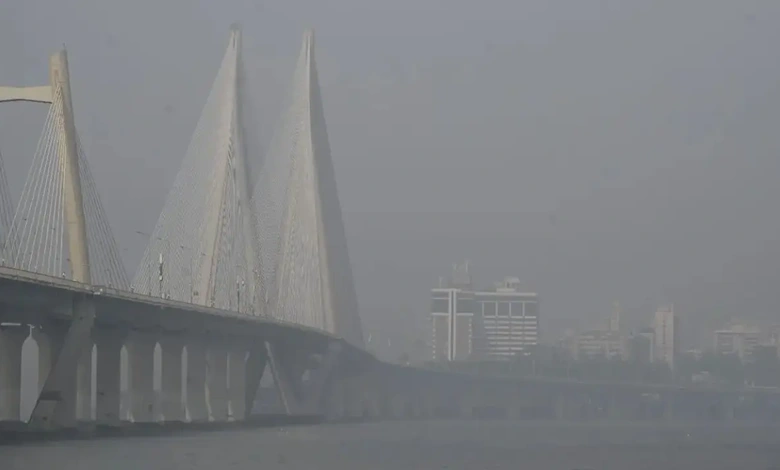
Maharashtra continues to grapple with an erratic winter pattern, featuring cold mornings, drier afternoons, and patchy cloud cover in various districts. Recent days have seen sharp declines in minimum temperatures across multiple locations, with northern areas particularly affected.
According to the Indian Meteorological Department (IMD), the coming 72 hours represent a pivotal period for the state’s weather. A low-pressure area is anticipated to form over the Bay of Bengal, potentially unleashing heavy rainfall and strong gusts in sections of southern India. Although direct intense downpours are unlikely for Maharashtra, secondary impacts—such as enhanced wind speeds, increased cloudiness, and isolated light showers—remain possible in certain parts.
The lingering influence of a severe cold wave sweeping northern India has kept temperatures below seasonal norms in Maharashtra, especially across the northern belt. In recent readings, places such as Dhule and Parbhani have dipped to around 6 degrees Celsius, while several northern districts hovered near 10 degrees Celsius. These swings have contributed to a noticeable uptick in seasonal ailments, including colds, fevers, and breathing difficulties, urging residents to exercise vigilance.
ALSO READ : Thackeray Cousins Rally to Defend Mumbai’s Identity, Accuse BJP of Separatist Agenda and Voter Suppression
Looking regionally, districts in North Maharashtra—including Nashik, Dhule, Jalgaon, and Nandurbar—are set to stay notably chilly. Nighttime lows are projected between 15 and 16 degrees Celsius, paired with extremely low afternoon humidity. In contrast, coastal stretches such as Raigad, Thane, Palghar, Ratnagiri, and Sindhudurg will enjoy relatively milder weather, with daytime highs climbing to 30-33 degrees Celsius and moderate breezes prevailing.
The IMD indicates that the current cold spell in North Maharashtra is likely to hold through Makar Sankranti. Following this festival, shifts in atmospheric pressure are expected to gradually push temperatures upward, aided by extending daylight hours, offering incremental respite from the winter bite.
-
-
-

-