
Mumbai Experiences Cool Morning with Moderate Air Quality Concerns
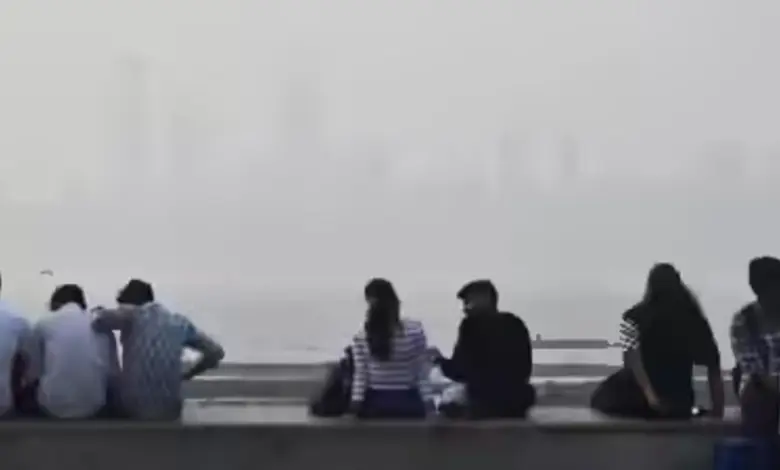
Mumbai recorded a minimum temperature of 18 degrees Celsius on Tuesday, as clear skies dominated the city and its suburbs. The India Meteorological Department (IMD) predicted a maximum temperature of around 34 degrees Celsius for the day.
Air quality in the metropolis registered an overall Air Quality Index (AQI) of 109, classified as moderate according to the Sameer app. This level can lead to breathing difficulties for individuals suffering from lung diseases, asthma, or heart conditions.
Pollution levels varied across different areas of the city, with some pockets showing higher readings. Bandra Kurla Complex (BKC) reported an AQI of 145, while Kherwadi in Bandra East stood at 144. Byculla recorded 136, followed by Ghatkopar at 134, Chembur at 128, Deonar at 126, Colaba at 113, Andheri East and Kandivali both at 99, and Borivali at 82.
ALSO READ : TV Actor Anuj Sachdeva Beaten With Stick in Goregaon Society Row Over Parking; Case Filed

In contrast, Delhi continued to grapple with severe pollution, with an overall AQI of 378 in the ‘very poor’ category at 8 am, as reported by the Central Pollution Control Board (CPCB). This was a slight improvement from the previous day’s peak of 427 in the ‘severe’ category. Thick smog reduced visibility and caused resident discomfort, according to news agency ANI.
Certain Delhi locations registered even higher levels, including Ghazipur and Anand Vihar around 410 (‘severe’), India Gate at 380, and Sarai Kale Khan at 359.
AQI categories range from 0-50 (‘good’), 51-100 (‘satisfactory’), 101-200 (‘moderate’), 201-300 (‘poor’), 301-400 (‘very poor’), to 401-500 (‘severe’).
Other major cities showed varied air quality: Ahmedabad at 117, Bengaluru at 104, Chennai at 135, Hyderabad at 103, Jaipur at 187, Lucknow at 158, Patna at 156, and Pune at 194, mostly moderate, reported ANI.
Amid Delhi’s crisis, the Commission for Air Quality Management (CAQM) held its first expert committee meeting on vehicular emissions in the National Capital Region, discussing contributions from different vehicle segments, exposure risks, and electric vehicle infrastructure needs.
With pollution exceeding severe levels, CAQM imposed stage IV Graded Response Action Plan restrictions, and the Delhi government directed schools to switch to online classes for students up to class 5.