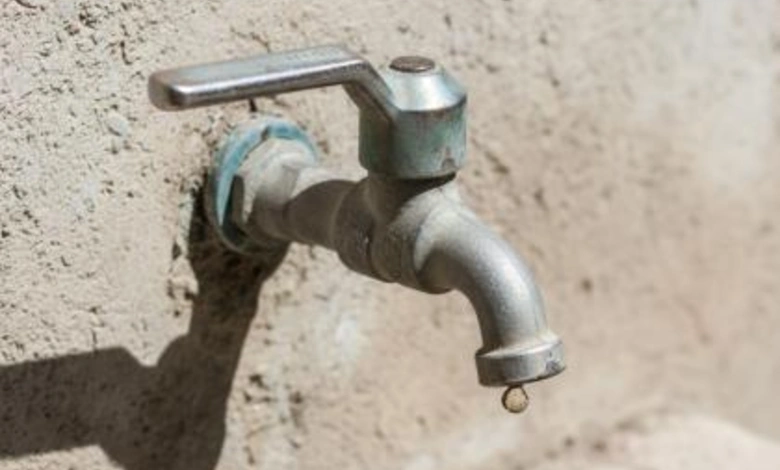
Mumbai is grappling with a severe water shortage triggered by the delayed arrival of the monsoon, prompting civic authorities to impose stricter conservation measures. With storage in the key reservoirs that supply the city dropping sharply, officials have announced an additional 20 percent reduction in water allocation for non-essential uses, effective from tomorrow.
The decision follows a review of the current water stock in the dams serving the financial capital. As of mid-June, these reservoirs hold only between 10.35 percent and 10.75 percent of their capacity. The situation has worsened due to insufficient rainfall linked to broader climatic patterns, including the lingering effects of El Niño, which have delayed the monsoon across Maharashtra.
This latest cut builds on an earlier 10 percent reduction implemented on May 15. The new restrictions primarily target industrial units, commercial establishments, and sporting facilities. Water supply to ongoing construction projects and swimming pools has also been suspended to prioritize essential needs.
Authorities emphasize that the primary goal is to safeguard drinking water supplies for residents. Strict action will be taken against any wastage or misuse of potable water. In public communications, the civic body has urged citizens and institutions to adopt water-saving practices immediately.
ALSO READ : Mumbai’s Water Reserves Dwindle to Critical Levels with Monsoon Delay
Recommendations include maximizing the use of tankers, wells, and borewells for non-drinking purposes such as vehicle washing, garden maintenance, and road cleaning. Large organizations including railways, oil companies, and naval establishments have been advised to rely more heavily on recycled and treated water from sewage treatment plants for their operations.
The measures reflect growing concern over rapidly depleting reserves. While the city awaits the full onset of the monsoon to replenish its sources, these steps aim to stretch available resources as far as possible and prevent a more critical crisis in the coming weeks. Residents are encouraged to report any observed wastage to support city-wide conservation efforts.
This situation underscores the vulnerability of urban water systems to weather variability and highlights the importance of sustained conservation even as authorities monitor reservoir levels closely for any improvement.
-
-
-
-