BMC Elections 2026: Use of Marker Pens Instead of Indelible Ink Sparks Concerns Among Mumbai Voters
BMC Elections Updates: Mumbai’s high-stakes Brihanmumbai Municipal Corporation (BMC) elections witnessed heavy voter turnout across all 227 wards from 7:30 am on Thursday, with polling scheduled to continue until 5:30 pm. However, the process has been overshadowed by a growing controversy after voters reported that marker pens are being used in place of traditional indelible ink.
Several Mumbaikars have alleged that the marks made with these pens can be easily wiped off with water or simple rubbing. Similar complaints emerged in Pune during the PMC elections being held simultaneously. The use of easily removable markings has raised concerns about the possibility of double voting, particularly at a time when over 11 lakh duplicate entries have already been flagged in draft voter lists.
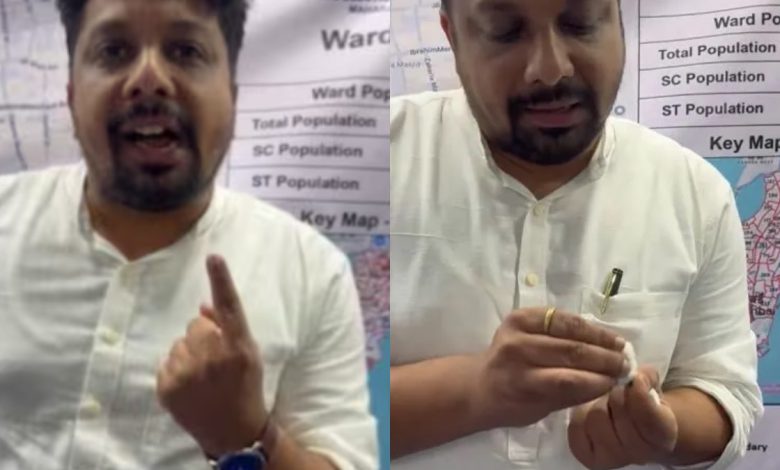
Ink-marks being made on Voter’s fingers by using ‘marker pens’ instead of Govt manufactured indelible ink, is easily wearing off by the simple use of ‘Nail Polish Remover’ as I demonstrate, in this video.
— Ruben Mascarenhas (@rubenmasc) January 15, 2026
Unacceptable. AAP has complained to SEC.#BMCPolls2026 pic.twitter.com/no5jqazMrw
Marker pens—felt-tip devices containing water- or alcohol-based dyes—are known for their neat, spill-free application. They were previously tested in Aurangabad in 2015 and Nagpur in 2012. Officials from the State Election Commission (SEC) have defended the decision, claiming the pens help speed up the process at crowded booths. Critics, however, point out that unlike silver nitrate-based indelible ink, these dyes do not adhere strongly to the skin and tend to dissolve or fade quickly.


In multi-member wards such as those in the BMC, where voters are required to cast up to four votes via EVMs, the use of removable marker ink has heightened concerns. The issue has gained further traction against the backdrop of Model Code of Conduct violations, including the removal of more than 2,100 illegal hoardings ahead of polling day.
Standard marker ink typically combines dyes, solvents, and small amounts of resin, but lacks persistent agents like silver nitrate used in India’s election ink. Water-based markers evaporate quickly and smear under pressure, while alcohol-based variants offer only superficial penetration and can be removed with soap or emulsifiers. This explains why several videos circulating from polling booths show the ink fading rapidly when rubbed.
Because marker dyes rely merely on surface adhesion, the skin’s natural oils and keratin layer offer little resistance. In contrast, silver nitrate reacts with skin proteins and darkens under UV light, producing a stain that lasts for over two weeks and is visible under black-light examination. Tests have shown that marker-based ink can fade by up to 90 per cent after just 10 seconds of rubbing with a wet cloth, intensifying worries in areas where duplicate names are prevalent.
India’s indelible ink, supplied exclusively by Mysore Paints since 1962, contains 10–18 per cent silver nitrate, enabling it to bind firmly to the skin. While past shortages have occasionally led to the use of temporary markers or counterfeit products, the absence of prior notification about the switch in Mumbai has triggered accusations that the elections are being “rigged.”
The State Election Commission has dismissed all such allegations, stating that EVMs and voter photo IDs are under strict monitoring and that no manipulation is possible under the current system.