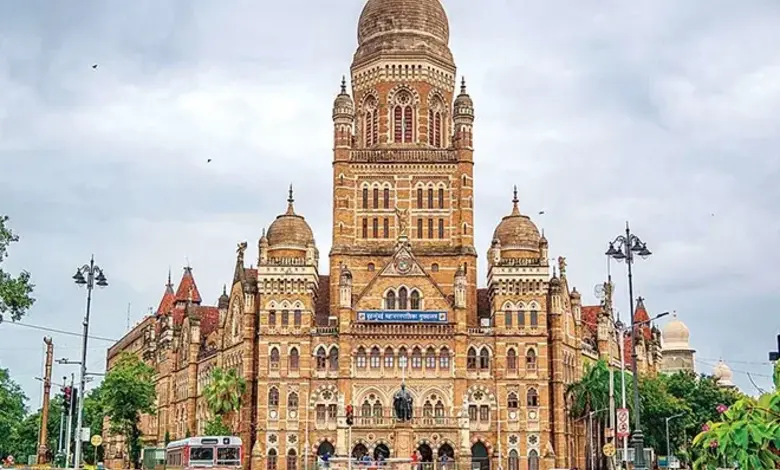
Mumbai is gearing up for the election of its next mayor on January 28, 2026, following the recent Brihanmumbai Municipal Corporation (BMC) polls. The contest will unfold in a special session of the BMC House, where elected corporators will cast their votes to select the candidate who garners the most support.
Civic sources indicate that the municipal administration will convene this special meeting to conduct the election. The winner will be the individual receiving the highest number of votes from the corporators present. While no political party is legally guaranteed the mayoral position based solely on its seat count, historical patterns demonstrate that the group commanding a clear majority—or strong alliances—typically claims the role.
The last mayor from the Shiv Sena was Kishori Pednekar. The upcoming election marks Mumbai’s first mayoral selection in several years, following delays in the civic polls.
The process kicks off with the Maharashtra Urban Development Department organizing a lottery in the coming week to determine the reservation category for the mayoral post. This could designate it as general, women-reserved, or reserved for specific classes. The lottery outcome will set the eligibility criteria for candidates, with nominations following shortly after. The election itself is slated for late January, aligning with the announced date.
Voting occurs among all elected corporators in the BMC House. A simple majority—more than half the total strength—is required for victory. In scenarios where no single party holds an outright majority, alliances, negotiations, and potential shifts in loyalty can prove decisive. Given the current political landscape in Mumbai, civic sources suggest that realignments or crossover support remain possible during the mayoral contest.
A notable change this time involves the inclusion of 10 nominated corporators in the 227-member elected House, following a 2023 amendment to the Mumbai Municipal Corporation Act that increased the nomination cap from five. The Bharatiya Janata Party (BJP), having emerged as the single-largest party in the recent BMC elections, is anticipated to receive the largest portion of these nominations, with the rest distributed among alliance partners and opposition groups. These nominated members could hold significant sway in a close vote.
Control of the mayor’s office also influences key statutory committees, including the Standing Committee (which handles finances), the Improvements Committee (overseeing civic land), and the Education Committee (managing over 1,100 BMC schools).
As preparations advance, the lottery for reservation categories will provide the first clear signal of the contest’s shape ahead of the January 28 vote.