
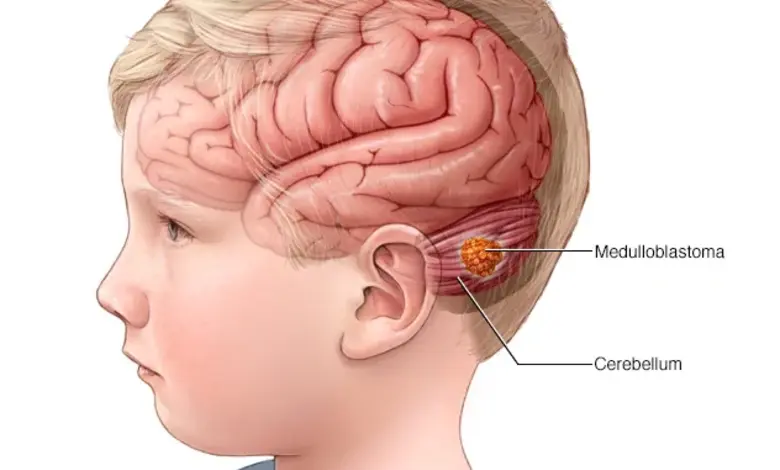
A World Brain Tumor Day Special Report
It started as a headache.
Not the kind that sends people rushing to a hospital. Just an occasional ache after work. A pain dismissed as stress, lack of sleep, dehydration, or too much screen time. Days turned into weeks. The headaches became more frequent. Then came moments of forgetfulness, blurred vision, and unexplained fatigue.
For thousands of people every year, this is how the story begins.




On World Brain Tumor Day, observed annually on June 8, the focus often falls on statistics, medical terms, and treatment options. But behind every diagnosis is a human story one that rarely receives the attention it deserves.
A brain tumor does not simply affect the brain. It can alter memories, relationships, careers, dreams, and entire family dynamics in ways few people can imagine.
The Disease That Often Hides in Plain Sight
One of the most frightening aspects of brain tumors is how ordinary the warning signs can appear.
A headache.
A forgotten appointment.
A sudden change in mood.
Difficulty finding the right words during a conversation.
Most people experience these things occasionally. That’s what makes brain tumors particularly challenging to identify in their early stages.
Many patients spend months explaining away symptoms before finally seeking medical help. Some are treated for migraines. Others blame stress or aging. By the time scans reveal the real cause, lives can change in a single appointment.
“It’s a brain tumor.”
Four words that instantly divide life into two chapters before and after.
More Than a Medical Diagnosis
When people hear the term “brain tumor,” they often think about surgery, chemotherapy, or hospital visits.
What they don’t see is everything happening outside the hospital.
The father who can no longer remember familiar routes home.
The teenager who suddenly struggles to concentrate in class.
The mother who worries more about her children than her own treatment.
The spouse who quietly becomes a full time caregiver overnight.
A brain tumor diagnosis affects entire households. Family members become nurses, drivers, advocates, and emotional anchors. Careers are paused. Savings are stretched. Future plans are rewritten.
The emotional impact can be just as overwhelming as the physical one.
The Brain: The Organ That Makes Us Who We Are
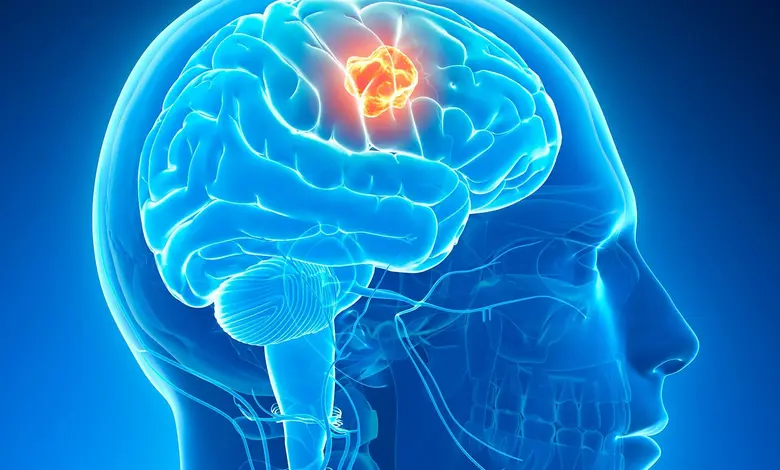
Unlike many other illnesses, brain tumors can affect the very things that define human identity.
The brain controls memory, speech, movement, emotions, personality, and decision making. When a tumor develops, it may interfere with any of these functions.
Patients sometimes describe the experience as losing pieces of themselves.
Some struggle to remember names.
Others find simple conversations difficult.
Many battle anxiety, depression, or personality changes caused not only by the diagnosis but also by the tumor itself.
This is why brain tumors are often called one of the most complex medical challenges in modern healthcare.
They do not just threaten life; they can reshape the way a person experiences life.
The Silent Strength of Caregivers
World Brain Tumor Day is also about recognizing a group of people who rarely receive enough attention: caregivers.
While patients undergo treatment, family members often carry a different burden.
They attend medical appointments, manage medications, handle finances, provide emotional support, and remain strong even when they are frightened themselves.
Many caregivers describe living in a constant state of uncertainty.
Every scan result becomes a moment of anxiety.
Every symptom raises new questions.
Every day brings hope mixed with fear.
Their resilience is one of the untold stories behind every brain tumor journey.
A New Era of Hope
Despite the challenges, there is reason for optimism.
Medical science has made remarkable progress in understanding and treating brain tumors.
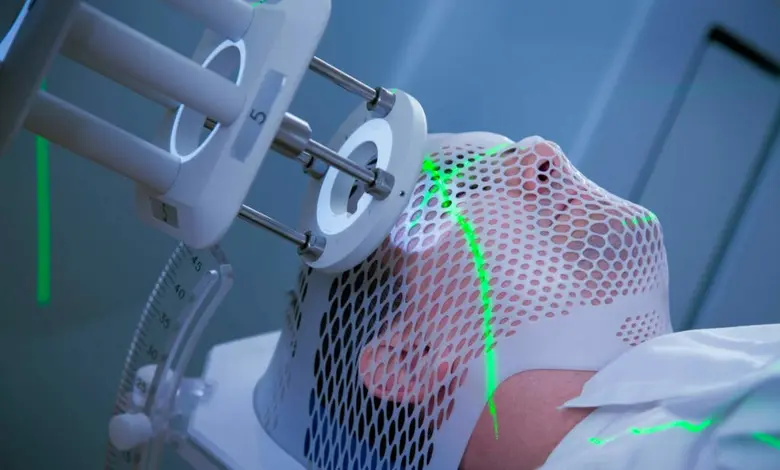
Advanced imaging technologies allow doctors to detect tumors with greater accuracy. Surgical innovations help remove tumors more precisely than ever before. Researchers are exploring targeted therapies and immunotherapy approaches that could transform future treatment options.
Patients today often have access to treatments that were unimaginable just a generation ago.
While not every diagnosis has a happy ending, many patients are living longer and experiencing better quality of life because of these advances.
Hope is no longer just an emotion. It is increasingly backed by science.
Why Awareness Still Matters
If medical technology is advancing, why is awareness still so important?
Because awareness saves time.
And in many cases, time saves lives.
Many people still do not recognize the warning signs of a brain tumor. Others delay seeking medical advice because symptoms seem minor or unrelated.
Doctors consistently stress the importance of paying attention to persistent neurological symptoms, especially when they worsen or become unusual.
No one should panic over a headache.
But no one should ignore persistent changes in their health either.
Early evaluation can make a significant difference in diagnosis and treatment outcomes.
Beyond Awareness: Building Compassion
World Brain Tumor Day is not just about educating people about symptoms.
It is about building empathy.
Patients facing brain tumors often battle invisible struggles. They may look healthy while dealing with exhaustion, cognitive challenges, or emotional distress.
Understanding these realities can help reduce stigma and create more supportive communities.
Sometimes the most meaningful support comes from simple acts a phone call, a visit, a message, or simply listening.
Awareness begins with information.
Compassion begins with understanding.
The Message of World Brain Tumor Day 2026
This year’s observance carries a powerful reminder: every diagnosis represents a human life, not a statistic.
Behind every MRI scan is a person hoping for good news.
Behind every treatment plan is a family searching for answers.
Behind every survivor story is extraordinary courage.
On World Brain Tumor Day 2026, the message is clear: learn the signs, support those affected, and continue investing in research that brings hope to millions around the world.
Because sometimes a simple headache is just a headache.
But sometimes, paying attention can change and even save a life.
ALSO READ: 5 Signs Your Body Is Dehydrated Even If You Drink Enough Water