
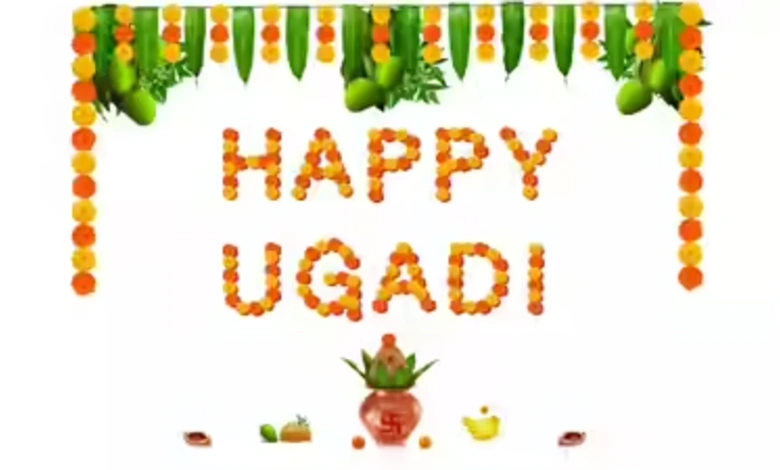
As southern India gears up for one of its most cherished festivals, Ugadi 2026 promises to usher in the Telugu and Kannada New Year with prayers, vibrant rituals, and a profound message of hope. Reported by The Times of India, the occasion highlights renewal, prosperity, and the eternal cycle of time, where endings pave the way for fresh starts. Ugadi, observed widely in Andhra Pradesh, Telangana, and Karnataka as well as by diaspora communities worldwide, blends spiritual reflection with cultural joy.
The term “Ugadi” derives from Sanskrit roots—“Yuga,” signifying an age or era, and “Adi,” meaning beginning—thus denoting the dawn of a new epoch. Falling on the first day of the Chaitra month in the Hindu lunisolar calendar, it coincides with the arrival of spring and the new year’s onset.
Ugadi 2026 Date and Tithi
According to the traditional Hindu calendar, Ugadi 2026 falls on March 19. It aligns with Chaitra Shukla Pratipada, the first day of the moon’s waxing phase. Hindu mythology links this date to Lord Brahma’s creation of the universe, lending it deep significance. The festival shares the calendar with Maharashtra’s Gudi Padwa and certain regions’ Yugadi celebrations in Karnataka.
ALSO READ : ‘Made in Korea’ Movie Review: ‘Simple, Pleasant & Heartwarming’, Priyanka Mohan Earns Praise From Netizen
Puja Timings for Ugadi 2026
Devotees typically perform Ugadi puja in the morning hours following sunrise, considered the most auspicious window to welcome the new year. For March 19, 2026, the schedule unfolds as follows:
- Abhyanga Snanam (ritual oil bath): Conducted before sunrise to purify body and soul.
- Main Ugadi Puja: Held after sunrise.
- Panchanga Sravanam: Reading of the new year’s almanac predictions, often featured in special temple sessions where priests outline forecasts for the coming year.
Key Rituals and Traditions
Festivities commence with the purifying Abhyanga Snanam oil bath before dawn, followed by donning new clothes. Homes are adorned with mango leaf torans at entrances to invite good fortune and positive energy, complemented by colourful rangoli patterns on floors.
A highlight is the preparation of Ugadi Pachadi, a unique dish blending six tastes that mirror life’s varied experiences:
- Neem flowers – bitterness (sadness)
- Jaggery – sweetness (happiness)
- Raw mango – tanginess (surprise)
- Tamarind – sourness (challenges)
- Green chilli or pepper – heat (anger)
- Salt – balance and acceptance
This symbolic mixture reminds participants that life encompasses all emotions, and acceptance fosters resilience.
Another central ritual is Panchanga Sravanam, where elders or priests recite almanac predictions covering rainfall, agriculture, economy, and general prosperity. Many attend temple gatherings specifically for these insights.
Cultural elements include poetry recitals, especially among Telugu communities, and visits to temples dedicated to deities such as Lord Vishnu and Lord Venkateswara seeking blessings for health, success, and abundance. Festive fare features seasonal mango dishes alongside pulihora and bobbatlu (or holige).
Significance of Ugadi
Beyond rituals, Ugadi carries strong philosophical weight. It encourages looking back on the past year while fostering optimism for the future. The festival underscores time’s cyclical nature, blending joy with challenges, and promotes moving forward with balance. For millions in southern India and the global Telugu diaspora, it represents more than a calendar reset—it embodies gratitude, renewal, and the promise of new beginnings.
-

-

-

-
