
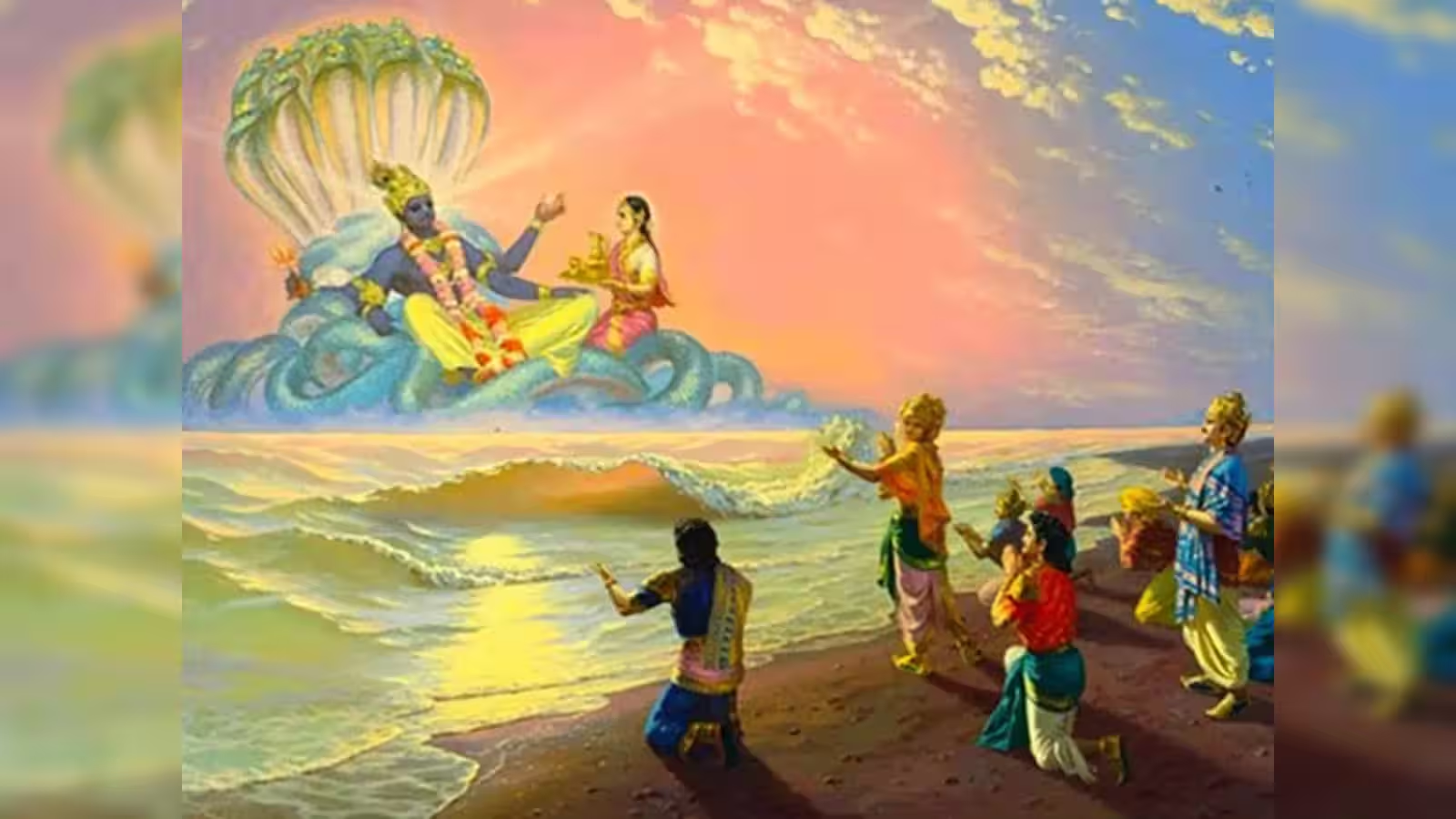
Indira Ekadashi, observed on the eleventh day (Ekadashi) of the Krishna Paksha in the Hindu month of Ashwin, stands out among the year’s 24 Ekadashis because it falls squarely within Pitru Paksha. This sacred fortnight is dedicated to remembering and honouring ancestors through rituals such as Shraddha, Tarpan, and Pind Daan. While every Ekadashi focuses on devotion to Lord Vishnu and personal spiritual purification, Indira Ekadashi uniquely channels the merit of fasting and worship toward the peace and liberation of departed forefathers.
Pitru Paksha is believed to be a time when ancestral souls are especially receptive to the offerings and prayers of their descendants. On Indira Ekadashi, devotees combine the disciplined Ekadashi fast abstaining from grains and focusing the mind on Vishnu with ancestral rites. The punya (spiritual merit) earned through fasting, charity, and Vishnu worship is consciously dedicated to the pitrs. Scriptures, including references in the Padma Purana and Brahmavaivarta Purana, state that this practice can free ancestors from lower realms or suffering caused by past karmas, help remove Pitru Dosha, and open the path toward higher spiritual planes, including Vaikuntha.
The traditional vrat katha associated with the day recounts how King Indrasena learned from Sage Narada that his father was enduring hardship in Yamaloka. By observing the Indira Ekadashi fast with devotion and transferring its merit, the king liberated his father. This story underscores the duty of descendants to help their lineage and highlights the day’s power as an act of selfless service rather than purely personal gain.
Observance typically includes an early bath, sankalp (vow), worship of Lord Vishnu (often in the form of Shaligram) with tulsi, flowers, and lamps, chanting of mantras such as “Om Namo Bhagavate Vasudevaya,” and performance of Tarpan or other family specific ancestral offerings. Charity performed on this day is considered especially fruitful when done in the name of the ancestors.



In essence, Indira Ekadashi bridges the personal discipline of Ekadashi with the collective responsibility of Pitru Paksha. It reminds devotees that spiritual progress is intertwined with gratitude toward those who came before, offering both ancestral peace and blessings of harmony, prosperity, and protection to the living family.