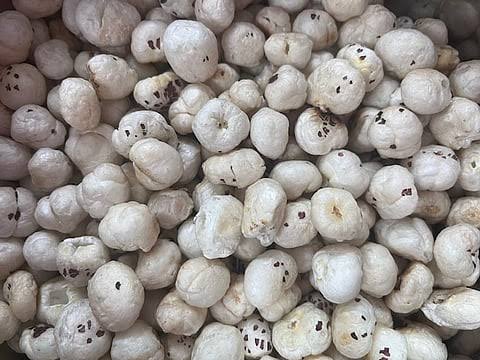
Makhana, also known as fox nuts or lotus seeds, has become a popular everyday snack. For people managing thyroid conditions such as hypothyroidism or hyperthyroidism, its nutritional profile offers several practical advantages when eaten mindfully.
Makhana is naturally non-goitrogenic. Unlike some cruciferous vegetables, soy products or certain millets, it does not contain compounds that can interfere with iodine use or thyroid hormone production. This makes it a safer daily option for individuals with either underactive or overactive thyroid function.
A sluggish metabolism is common in hypothyroidism and often leads to weight gain, fluid retention and fatigue. Makhana is high in dietary fibre and low in calories a 30-gram serving typically provides fewer than 110 calories while delivering lasting satiety. Its complex carbohydrates release glucose slowly, helping to steady blood sugar and reduce the urge for high-calorie snacks that can worsen metabolic challenges.
The seeds also supply trace minerals relevant to endocrine function. Magnesium acts as a co-factor in converting the inactive thyroid hormone T4 into the active form T3, which cells use for energy. Calcium and phosphorus support bone density, which can be stressed by hyperthyroidism or long-term hormone therapy. Potassium, present with very low sodium, may help counter fluid retention often linked to underactive thyroid function.
Makhana contains antioxidants such as kaempferol and chlorogenic acid that help neutralise free radicals and reduce inflammation. These properties are relevant for autoimmune thyroid conditions. Its easily digestible fibre also acts as a gentle prebiotic, supporting gut bacteria that play a role in hormone conversion.
Preparation and timing matter. Dry-roast a handful at home with a small amount of ghee or coconut oil and a pinch of rock salt rather than relying on commercial flavoured packets, which often contain excess oil, sodium or additives. Pairing roasted makhana with a few soaked almonds, walnuts or pumpkin seeds adds healthy fats. Avoid eating it within 30 to 60 minutes of thyroid medication, as food can reduce absorption of the hormone.
When prepared simply and timed correctly, a daily portion of makhana can serve as a low-calorie, mineral-rich snack that supports satiety, reduces inflammatory load and fits comfortably into a thyroid-conscious diet. As with any dietary change, individual medical advice remains essential.
-

-

-

-