
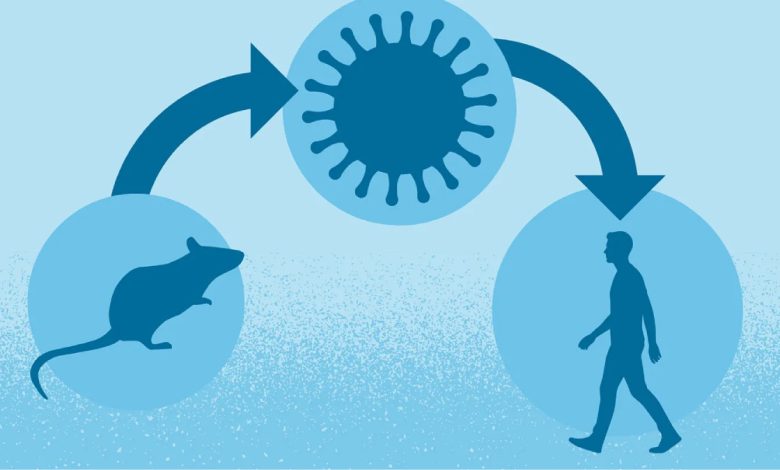
Most people have never encountered hantavirus and that is exactly why it catches them off guard. The infection is uncommon, but when it turns serious, it moves fast. Here is what health experts want you to know.
What Is Hantavirus?
Hantavirus is a group of viruses carried primarily by rodents rats and mice being the most common hosts. Humans pick up the infection through contact with rodent urine, droppings, or saliva. One of the less obvious transmission routes is airborne: when contaminated dust is disturbed while cleaning closed or long-unused spaces such as storerooms, warehouses, old houses, or sheds, the virus can become airborne and be inhaled.
Health experts note that hantavirus does not commonly spread from person to person in most parts of the world, which means direct rodent exposure remains the primary risk factor.
Symptoms to Watch For
The infection typically begins with symptoms that can easily be mistaken for a common illness:




fever and chills, body aches and muscle pain, headache, fatigue, and nausea or vomiting.
The danger lies in what can follow. As the infection progresses, some patients develop severe breathing difficulties caused by fluid buildup in the lungs. This stage can become life-threatening within days and requires immediate medical attention.
Also Read: 5-Ingredient Mango Pudding Is the Summer Dessert You’ll Want on Repeat
How Dangerous Is It?
Doctors warn that hantavirus should not be dismissed as a minor concern. While infections are uncommon, severe cases can deteriorate rapidly. Early diagnosis and supportive medical care significantly improve the chances of survival.
There is currently no specific antiviral treatment for hantavirus. However, timely hospitalisation, oxygen support, and intensive care can make a critical difference in severe cases.
Prevention Is the Best Defence
Since rodents are the primary carriers, prevention comes down to cleanliness and cautious handling of rodent-prone areas. Health experts recommend keeping homes and workplaces clean and free of food waste that attracts rodents, sealing gaps and holes through which rodents may enter, wearing masks and gloves when cleaning dusty or long-closed storage spaces, and properly disinfecting contaminated surfaces before sweeping not after, as sweeping first can release contaminated particles into the air.
Why Awareness Matters
Medical professionals stress that public awareness is essential because many people remain unaware of how the virus spreads and what environments carry risk. As global attention on zoonotic diseases those that jump from animals to humans continues to grow, health authorities are emphasising that basic hygiene habits and simple precautions in rodent-prone areas can go a long way in preventing infections like hantavirus from taking hold. The disease is rare. But rare does not mean it cannot happen to you and knowing the risks costs nothing.