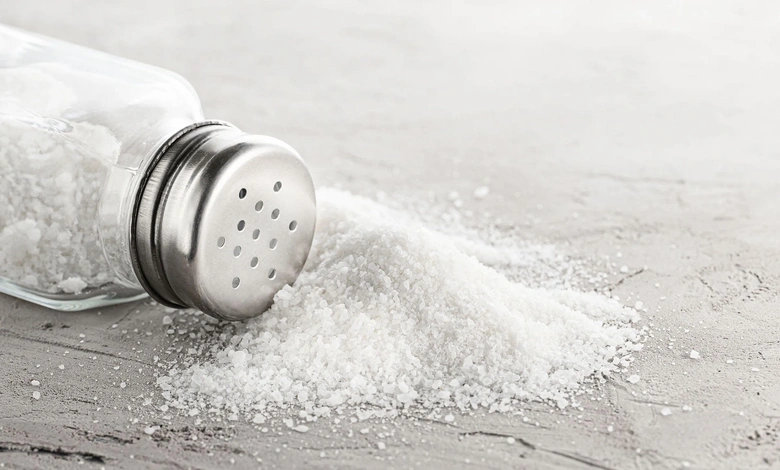
Many individuals habitually sprinkle extra salt on their meals or frequently reach for processed foods packed with sodium. Yet, consuming too much salt on a regular basis can elevate blood pressure and heighten the chances of developing heart disease. Cutting back on salt ranks among the easiest and most impactful steps to safeguard cardiovascular health. Recognising the link between high sodium intake and heart problems is therefore essential.
Diet plays a central role in supporting a strong and resilient heart. One of the most straightforward adjustments involves lowering salt consumption, as numerous people take in far more sodium than their bodies need. While salt supplies sodium that, in moderation, helps regulate fluid balance and aids muscle and nerve functions, an overload places unnecessary strain on the heart, forcing it to work harder than it should.
Over time, persistently elevated blood pressure damages the delicate inner walls of arteries. This process encourages atherosclerosis, where fatty plaques accumulate, narrowing and hardening the vessels. Blood flow becomes restricted, significantly raising the likelihood of heart attack and stroke. In extreme cases, such complications can prove fatal. Alarmingly, many people experience high blood pressure without noticeable symptoms, allowing the condition to progress undetected.
To curb salt intake, experts recommend skipping additional seasoning at the table and limiting packaged snacks, chips, pickles and other processed items. Reading nutrition labels carefully and selecting low-sodium alternatives makes a meaningful difference. Flavouring dishes with herbs, lemon juice and spices instead of salt offers a tasty solution, while favouring home-cooked meals allows better control over sodium levels.
ALSO READ : 5 Tricks to Pick the Perfect Watermelon
Health authorities advise sticking strictly to recommended daily amounts of salt and making deliberate choices about what lands on the plate. Even modest reductions can deliver substantial benefits for long-term heart protection.
This approach underscores a simple yet powerful strategy: mindful sodium management remains one of the most accessible ways to reduce cardiovascular risks and promote overall well-being.