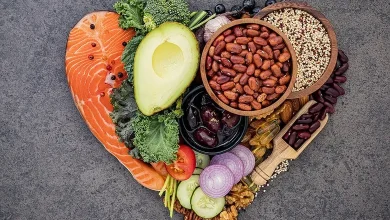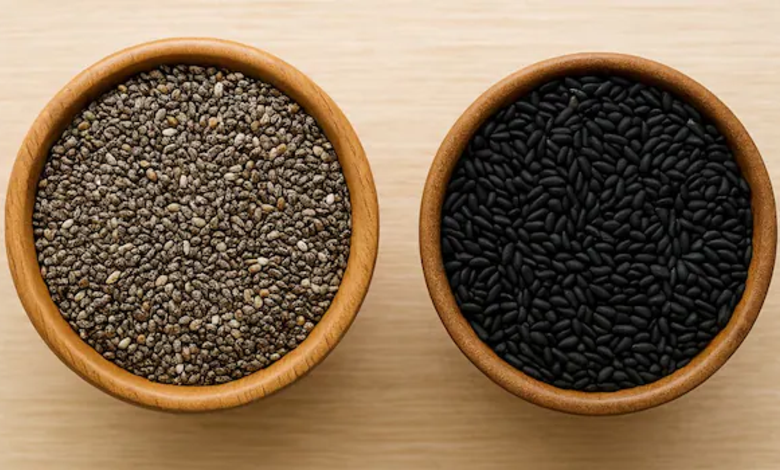
According to experts, chia seeds and sabja seeds are often grouped together due to their similar appearance and popularity in health-focused diets. However, despite their similarities, the two function differently when it comes to supporting belly fat reduction. Neither seed directly burns fat, but both can contribute to weight management through their nutritional properties.
Chia seeds are rich in soluble fibre, omega-3 fatty acids, and plant-based protein. When soaked, they form a gel-like consistency that slows digestion and helps prolong satiety. Research referenced by NDTV, including findings from The Journal of Nutrition, indicates that higher fibre intake is associated with improved weight control and better adherence to calorie-restricted diets. While chia seeds may not cause rapid weight loss, regular intake has been linked to modest reductions in waist size over time.
Sabja seeds, also known as basil seeds, contain a high amount of dietary fibre and expand quickly when soaked. As noted in research cited by NDTV from the journal Foods, their fibre content helps promote fullness soon after consumption, potentially reducing overall calorie intake. Additionally, sabja seeds are commonly associated with relieving bloating, acidity, and digestive discomfort factors that can sometimes be mistaken for belly fat.
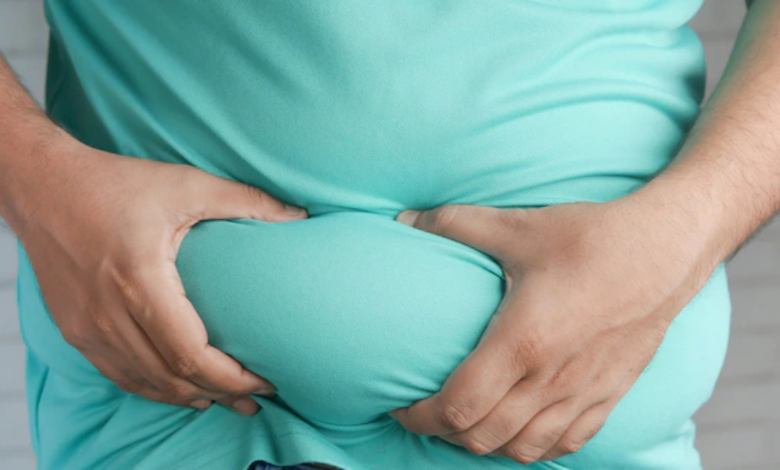
The primary distinction lies in how each seed works. Chia seeds provide gradual, sustained benefits that may support long-term fat loss and metabolic health. In contrast, sabja seeds act faster, helping curb hunger and improve digestion in the short term.
NDTV suggests choosing between the two based on individual needs. Chia seeds may be better suited for long-term weight goals, while sabja seeds can help manage bloating and appetite. Incorporating either into a balanced diet by soaking them and adding to drinks or meals can support overall health when paired with consistency and proper portion control.
Also Read: 66-Year-Old Retired Clerk Redefines Post-Retirement Life as Blinkit Delivery Agent
-

-

-

-