
The ongoing Iran-Israel war remains in a delicate phase, with diplomatic efforts continuing amid a fragile ceasefire and escalating rhetoric from both Washington and Tehran.
President Donald Trump delivered mixed signals on April 20 regarding the U.S. involvement in the conflict with Iran. He indicated no immediate hurry to conclude the hostilities while expressing optimism that fresh negotiations with Tehran would take place soon in Pakistan. With a 14-day ceasefire set to expire on April 22, Trump alternated between cautious hope for a potential agreement and a stern warning that “lots of bombs” could begin if no deal is reached in time.0
Tehran has responded cautiously, stating it has not yet decided whether to participate in the new round of peace talks scheduled in Pakistan. Iranian officials cited “bad faith” and “historical mistrust” as reasons for their hesitation, insisting that the United States must moderate its demands before any engagement proceeds.
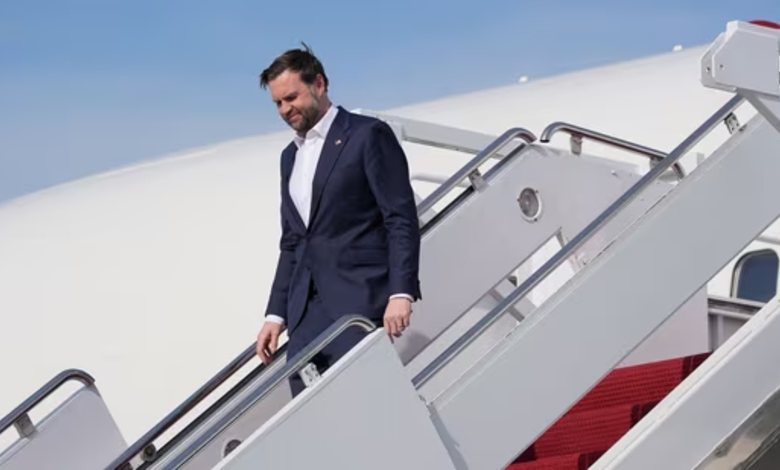
Trump still plans to send a U.S. negotiating team to Islamabad, led by Vice President J.D. Vance, for what would be a second round of discussions. This comes even as Iran’s chief negotiator and parliament speaker, Mohammed Bagher Qalibaf, accused the U.S. of seeking Iran’s surrender and declared that Tehran was preparing to “reveal new cards on the battlefield.” Qalibaf stated on X that Iran “do not accept negotiations under the shadow of threats.”
Separately, Iran’s Revolutionary Guards issued a warning about targeting any vessel attempting to pass through the Strait of Hormuz without permission. On the economic front, oil prices declined on April 21 amid expectations that the anticipated U.S.-Iran talks could ease supply concerns from the West Asian region. Brent crude fell by 1% to $94.53 per barrel, while U.S. West Texas Intermediate crude dropped more sharply.
In a related development, the U.N. Security Council strongly condemned the killing of a French peacekeeper in Lebanon, an incident France attributed to Hezbollah amid ongoing clashes with Israel. The Council reaffirmed its support for the UN Interim Force in Lebanon (UNIFIL).
The Hindu Bureau, drawing from Reuters, AFP, and Axios, noted that these updates reflect the complex interplay of military posturing, diplomatic manoeuvres, and economic repercussions as the ceasefire deadline approaches.