
U.S. Urges Oil Giants: Massive Investments in Venezuela Key to Recouping Billions in Lost Assets
HOUSTON — U.S. officials from the White House and State Department have recently informed executives at American oil companies that recovering compensation for assets seized by Venezuela two decades ago would require swift returns to the country and substantial new investments to revitalize its ailing oil sector, according to two sources familiar with the conversations.
During the 2000s, under late President Hugo Chavez, Venezuela nationalized assets of international oil firms that refused to grant greater control to the state-owned PDVSA. Chevron negotiated joint ventures to remain, while Exxon Mobil and ConocoPhillips exited and pursued arbitration claims.
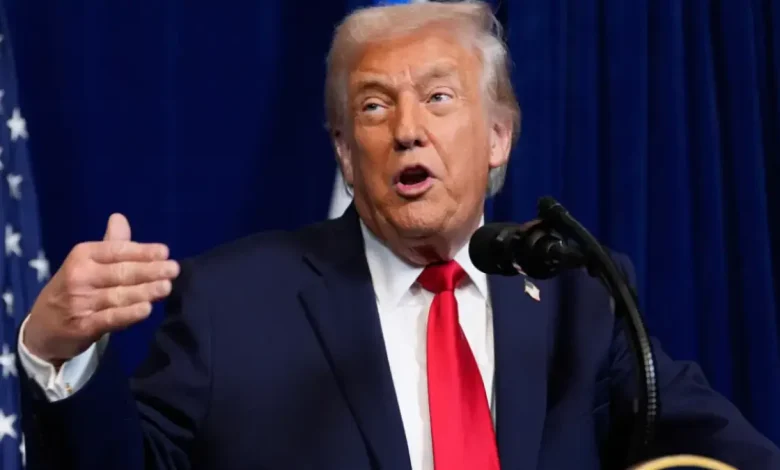
The outreach comes amid a dramatic shift following the capture and removal of President Nicolás Maduro by U.S. forces. On January 3, 2026, President Donald Trump stated that U.S. firms were ready to invest billions to restart Venezuela’s oil industry.
In discussions envisioning a post-Maduro era, administration officials emphasized that companies must self-fund major upgrades to infrastructure as a prerequisite for settling old debts. For ConocoPhillips, this could involve high costs, as it has long sought around $12 billion from the Chavez-era expropriations. Exxon Mobil has claimed $1.65 billion through similar legal channels.


Trump first highlighted these historical seizures publicly last month when imposing a blockade on sanctioned oil tankers.
Any decision to re-enter Venezuela hinges on assessments by company leaders and shareholders regarding risks, the sources noted. A ConocoPhillips spokesperson told Reuters it is monitoring events but deemed speculation on future investments premature. Exxon Mobil did not respond to Reuters inquiries.
ALSO READ : Rubio Clarifies Trump’s Venezuela Remarks: US Will Not Directly Govern the Nation
Politico initially reported the talks on January 3. Even with agreements, analysts told Reuters that significant production increases could take years, given Venezuela’s vast reserves but decades of decline due to mismanagement, underinvestment, and sanctions.
Challenges include unclear contract terms, security issues, deteriorating infrastructure, questions over the U.S. operation’s legality, and potential ongoing instability.
Once an OPEC founder producing up to 3.5 million barrels daily in the 1970s—over 7% of global output—Venezuela’s production dropped below 2 million barrels in the 2010s and averaged about 1.1 million last year, or roughly 1% worldwide.