
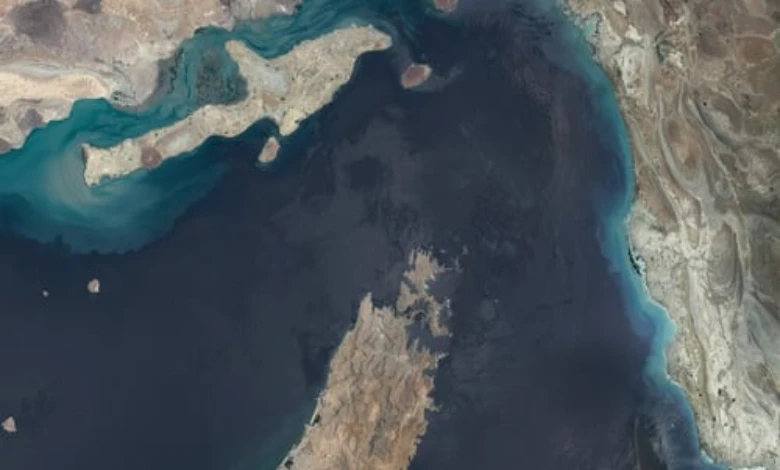
High-level discussions between American and Iranian officials in Switzerland concluded on Monday, with mediators reporting progress toward a broader agreement despite a tense beginning. The talks, hosted in a mountain resort in Buergenstock, followed threats from both sides and Iran’s temporary closure of the strategically vital Strait of Hormuz.
Mediators from Qatar and Pakistan issued a joint statement indicating that the parties had outlined a roadmap for a final deal within 60 days. Technical-level meetings are set to continue throughout the week at the same location. The understanding includes steps to halt ongoing conflicts in Lebanon and establish communication channels to guarantee safe transit for commercial vessels through the contested waterway.
The negotiations opened on Sunday under a memorandum of understanding reached the previous week, aimed at extending a fragile ceasefire originally in place since April. US Vice President JD Vance led the American side in the initial meetings, which extended late into the night.
Iranian Foreign Minister Abbas Araqchi stated via social media that Tehran had obtained assurances including export waivers for oil and petrochemical products, the unfreezing of certain assets, and support for a national reconstruction and development initiative.
The opening phase was overshadowed by renewed friction. Iran had announced the closure of the Strait of Hormuz over the weekend, citing the failure to fully implement commitments to stop hostilities in Lebanon. This move disrupted global energy flows, echoing a nearly four-month shutdown earlier that severely affected oil markets. US officials contested the extent of the closure, though shipping data reflected a notable decline in vessel traffic.
President Donald Trump issued strong warnings, stating that attempts to block the strait would have severe consequences for Iran and emphasizing the need for Tehran to restrain its allies in Lebanon. In contrast, Vance described the situation as complex but highlighted efforts to build a new chapter in relations.
ALSO READ : Iran Ready To Pledge No Nuclear Bomb, But Won’t Give Up Uranium Enrichment Right: Pezeshkian
Accounts of the discussions differed. Iranian sources indicated their delegation shifted to indirect communication through mediators following public threats, insisting on fulfillment of prior commitments before deeper nuclear talks. American participants maintained that direct and indirect exchanges continued productively on key topics including the strait, Lebanon, nuclear matters, and memorandum implementation.
High-level talks wrapped up on Monday as planned, with specialists remaining for follow-up work. The Strait of Hormuz serves as a critical chokepoint for global oil shipments, and its security remains central to broader stability efforts. In Lebanon, a recent ceasefire announcement brought some calm, though underlying tensions persist amid displacement and sporadic violence.
Oil prices showed volatility in response to the developments, reflecting market sensitivity to any shifts in the region. The outcome of these talks represents a cautious step forward in managing longstanding disputes.
-

-

-

-

