In Geneva on Thursday, U.S. and Iranian representatives held their third round of nuclear talks, engaging in both indirect and direct discussions mediated by Oman’s Foreign Minister Badr Albusaidi. The sessions, which included morning and afternoon meetings, focused on Iran’s draft proposal for a potential agreement to address its nuclear program.
Iran’s Foreign Minister Abbas Araghchi described the negotiations as marked by “clear seriousness” from both sides, noting that understandings were reached on certain issues while gaps persisted on others. He characterized the talks as one of the most intense and extended sessions to date and confirmed a fourth round scheduled for next week.
A senior U.S. official described the discussions as “positive” in comments to Axios, though no further specifics were provided. Albusaidi, speaking after the morning session, highlighted “significant progress,” stating that the parties had exchanged “creative and positive ideas” and expressed hope for additional advancements.
ALSO READ : US Tariffs Drop To 10% On Indian Goods, But Exporters Remain Wary
During the proceedings, Iran submitted its written proposal, which an Iranian official conveyed to Al Jazeera as “politically serious” and “technically creative.” The proposal reportedly includes scaling back Iran’s uranium stockpile to low enrichment levels under International Atomic Energy Agency (IAEA) supervision, while rejecting permanent cessation of enrichment, dismantlement of nuclear facilities, or relocation of stockpiles abroad.
U.S. demands reportedly include an indefinite-duration deal and Iran’s surrender of its roughly 10,000 kg of enriched uranium, with flexibility shown on limited enrichment rights only if Tehran demonstrates no viable path to a nuclear weapon. A source familiar with the talks indicated U.S. disappointment with Iran’s morning positions.
IAEA Director General Raphael Grossi participated in the Geneva discussions. A break in the sessions allowed U.S. envoys Steve Witkoff and Jared Kushner to meet separately with Ukrainian officials before talks resumed.
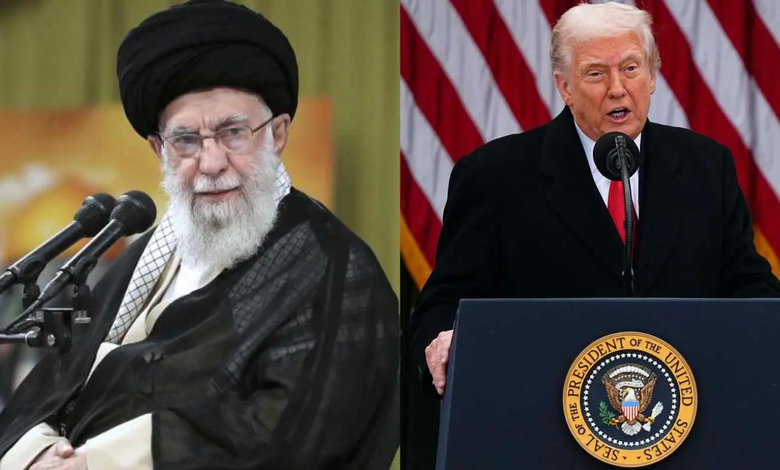
Senior Iranian adviser Ali Shamkhani posted on X during the day that alignment exists if the core U.S. concern is Iran’s lack of intent to develop nuclear weapons, citing Supreme Leader Ali Khamenei’s fatwa and Iran’s defensive policy, suggesting an immediate agreement could be feasible and affirming Araghchi’s authority to pursue one.
Technical-level discussions involving nuclear experts are planned for next week in Vienna at IAEA headquarters, following internal consultations in Washington and Tehran. The outcome of these ongoing efforts remains critical, as they unfold against the backdrop of U.S. military positioning in the region and warnings from President Trump regarding potential consequences if diplomacy fails.