
Iran Signals Optimism for Nuclear Dialogue Revival as US-Iran Tensions Subside
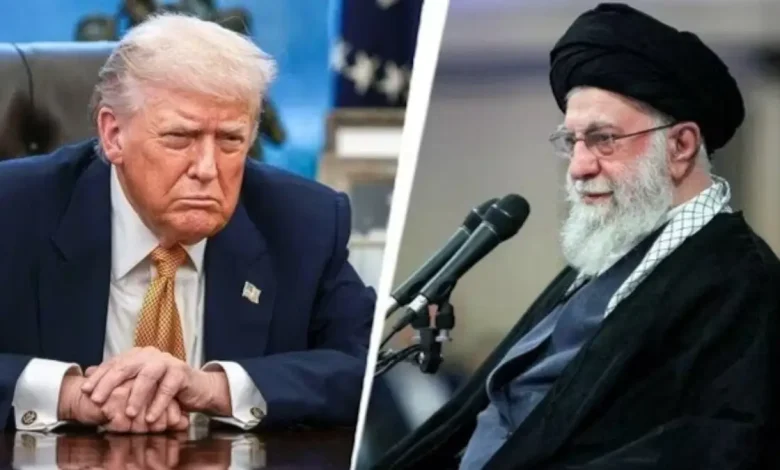
Tehran is cautiously optimistic about advancing toward renewed nuclear negotiations with the United States, as diplomatic efforts by regional powers help reduce heightened tensions in the Middle East.
Iranian officials stated on Monday that they are reviewing multiple mediation proposals from neighboring countries aimed at de-escalating the standoff with Washington. A foreign ministry spokesman expressed hope that a structured framework for discussions could be finalized in the coming days.
This development follows unconfirmed reports, carried by Iran’s Fars news agency and echoed in outlets such as the government newspaper Iran and the Shargh daily, indicating that President Masoud Pezeshkian has directed the resumption of talks on the nuclear issue.
Indirect communications between the two sides continue, facilitated by intermediaries including Qatar, Türkiye, Egypt, and Oman. Reuters, citing unnamed Iranian and US sources, reported that a meeting is anticipated on Friday in Istanbul, involving US Special Envoy Steve Witkoff and Iranian Foreign Minister Abbas Araghchi. An unnamed regional official, quoted by AFP, described the potential gathering as a product of intensive regional diplomacy.

ALSO READ : Iran Uses Trump’s New Nickname To Jab Israel; Israel Had To Run To Daddy : Iran’s Foreign Minister
The backdrop to these efforts includes a sharp escalation earlier this year. Mass protests erupted in Iran in January 2026 amid severe economic hardship, currency devaluation linked to sanctions, and public discontent, prompting a heavy government crackdown that resulted in thousands of deaths. In response, US President Donald Trump deployed warships to the region and issued strong warnings, though he later shifted emphasis to securing a nuclear agreement.
Trump stated on Sunday that Iran was “seriously talking” with the US to prevent military confrontation, while noting the presence of powerful naval assets en route. Iran’s Supreme Leader Ali Khamenei warned that any attack would ignite a broader regional war.
Negotiations had previously stalled in June 2026 following strikes by Israel and the US on Iranian nuclear sites. Iran maintains its program serves civilian purposes, while the US and its allies express concerns over potential weapons development.
Iranian Foreign Minister Abbas Araghchi has engaged in recent calls with counterparts in Saudi Arabia, Egypt, and Türkiye to coordinate on these matters, according to IRNA. Meanwhile, Witkoff is scheduled to visit Israel on Tuesday to confer with Prime Minister Benjamin Netanyahu, as confirmed by a White House official to Reuters.
Tehran has indicated some flexibility on the nuclear front but views its missile program and regional alliances as non-negotiable. The current diplomatic push reflects mutual interest in averting further conflict amid ongoing military posturing, including US aircraft carriers and jets positioned in the Indian Ocean.