
Tensions Simmer in Strait of Hormuz as Iran Asserts Control Amid Fragile Ceasefire
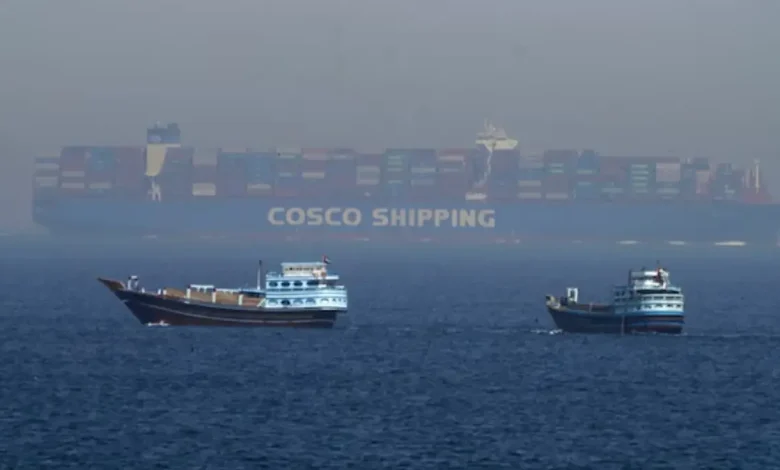
The ongoing conflict in West Asia continues to keep global attention fixed on the strategically vital Strait of Hormuz, where tensions between Iran, Israel, and the United States remain high despite a fragile ceasefire. According to live updates reported , the situation in the region is evolving rapidly, with military, economic, and diplomatic developments unfolding simultaneously.
Iran has increasingly demonstrated its control over the Strait of Hormuz, a key maritime route through which a significant portion of the world’s oil supply passes. Reports indicate that Iranian forces have taken assertive actions in the waterway, including the seizure of vessels and tighter monitoring of shipping activity. These moves come amid broader geopolitical friction following the ongoing war involving Iran and Israel, with the United States playing a central role in the conflict.
Although a ceasefire agreement was reached earlier in April through diplomatic efforts, including mediation attempts, it has remained tenuous. Both sides have accused each other of violations, and military preparedness continues on all fronts. The United States has maintained a strong naval presence in the region, citing the need to secure international shipping lanes and deter further escalation.




The developments have had far-reaching consequences beyond the immediate conflict zone. The disruption of maritime traffic through the Strait has significantly impacted global energy markets, contributing to volatility in oil prices and raising concerns among major economies dependent on energy imports. The Strait of Hormuz typically handles a substantial share of global oil and gas shipments, making any instability in the region a matter of international concern.
Diplomatic efforts to stabilise the situation remain ongoing, but progress has been limited. Talks aimed at extending the ceasefire or reaching a broader agreement have yet to produce a breakthrough. Meanwhile, regional and global powers continue to monitor the situation closely, given its implications for security and economic stability.
As the standoff persists, the Strait of Hormuz remains a focal point of the crisis, symbolising both the strategic stakes of the conflict and the challenges of achieving lasting peace in the region.