
‘US Bases Will Face Hell’: Iran Issues Fierce Warning After Second Ceasefire Breach Deepens Gulf Crisis
New Delhi: Tensions between the United States and Iran escalated sharply after a second reported breach of the fragile ceasefire, prompting Iran’s Islamic Revolutionary Guard Corps (IRGC) to issue a stark warning that American military bases across the region would “face hell” if what it described as US aggression continues.
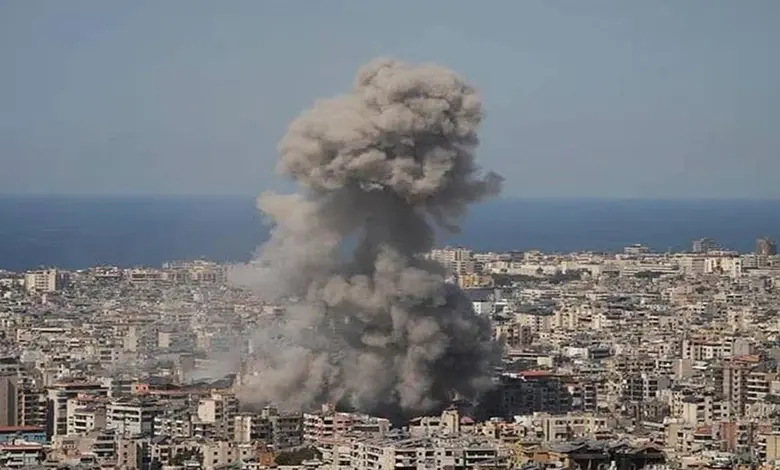
The warning came after fresh US military strikes targeted multiple Iranian military installations. According to US officials, the operation was carried out in response to Iran’s latest alleged violation of the ceasefire agreement. The strikes reportedly focused on missile and drone storage sites, coastal radar facilities and other military infrastructure near the Strait of Hormuz.
In response, the IRGC claimed it launched retaliatory missile and drone attacks against US military positions in Bahrain and Kuwait. Iranian military officials described the operation as a direct answer to the latest American strikes and warned that any further military action by Washington would invite a broader regional response.
US President Donald Trump defended the latest operation, saying the strikes were necessary after repeated ceasefire violations. He also warned that Washington was prepared to intensify military action if Iran continued what the US described as hostile activities in the Gulf.




The latest exchange marks another serious setback for the already fragile ceasefire reached earlier this month. Diplomatic efforts aimed at reducing hostilities have come under increasing strain as both sides continue to accuse each other of violating the agreement.
The Strait of Hormuz remains at the centre of the confrontation. The strategically vital waterway, through which a significant share of the world’s oil supplies passes, has witnessed heightened military activity in recent days. Fresh concerns over maritime security have also emerged following reported attacks on commercial shipping in the region.
Meanwhile, Gulf countries have heightened security measures after reports of missile and drone activity. Air raid sirens were activated in parts of Bahrain, while authorities in Kuwait said air defence systems were engaged following reports of incoming aerial threats.
The latest developments have raised fears that the ceasefire could unravel completely, increasing the risk of a wider regional conflict. Diplomatic channels remain open, but the renewed exchange of strikes and retaliatory threats has cast fresh uncertainty over efforts to restore stability in the Gulf.
With both Washington and Tehran standing firm on their positions, international attention remains focused on whether diplomacy can prevent another major escalation in one of the world’s most volatile regions.
ALSO READ: Trump Accuses Iran of Ceasefire Violation After Alleged Drone Attack on Ships in Strait of Hormuz