
Ukraine and Russia Engage in First Direct Talks on Trump-Backed U.S. Peace Proposal
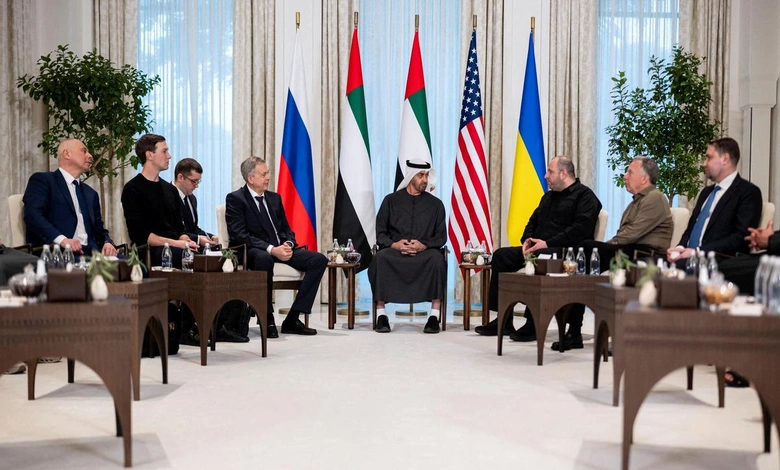
Negotiators from Ukraine, Russia, and the United States convened in Abu Dhabi on January 23, 2026, marking the first direct discussions among the three parties on a U.S.-proposed peace framework aimed at ending the nearly four-year conflict. The meetings, hosted by the United Arab Emirates at Al Shati Palace, are set to continue into January 24.
The talks follow intensified diplomatic efforts by the Trump administration. U.S. Special Envoy Steve Witkoff, joined by Jared Kushner, recently met Russian President Vladimir Putin in the Kremlin. Separately, U.S. President Donald Trump held discussions with Ukrainian President Volodymyr Zelenskyy at the World Economic Forum in Davos on January 22, where they addressed post-war security arrangements.
Territorial control remains the central sticking point. Russia insists that Ukrainian forces must withdraw from the Donbas region—a condition described by Kremlin spokesman Dmitry Peskov as a “very important” prerequisite for any resolution. Putin aide Yuri Ushakov emphasized Moscow’s interest in a diplomatic solution but affirmed that Russia would pursue its battlefield objectives until an agreement is reached.
Ukrainian officials, led by Rustem Umerov, Secretary of the National Security and Defense Council, described the initial session as focused on the parameters for ending Russia’s war and the overall negotiation process. Umerov indicated further meetings were scheduled for the following day. President Zelenskyy underscored that Donbas is a critical issue, stating ahead of the talks that Moscow has not abandoned its demand for Ukrainian withdrawal from the area. He added that ending the war and securing full safety requires a genuine commitment from Russia as well.


ALSO READ: Iran Vows ‘All-Out War’ and Maximum Retaliation if U.S. Strikes Amid Trump’s Armada Deployment
The U.S. peace plan, advanced under President Trump, has evolved through multiple iterations. Earlier versions drew criticism in Kyiv and Western Europe for appearing too aligned with Russian positions, while subsequent drafts faced objections from Moscow over suggestions like European peacekeepers.
The discussions unfolded against ongoing hostilities. Russian strikes on January 23 killed three in Ukraine’s Kharkiv region and four in the east—including a father and his five-year-old son—while leaving thousands in Kyiv without heating amid freezing temperatures. The European Union has dispatched generators, accusing Moscow of targeting civilian infrastructure.
This marks the first face-to-face meeting between Russian and Ukrainian representatives since last summer’s Istanbul talks, which yielded only prisoner exchanges. The current trilateral format, involving key figures such as Ukraine’s Kirill Budanov and Russia’s Igor Kostyukov alongside U.S. envoy Witkoff, reflects renewed momentum in diplomacy amid Europe’s most severe conflict since World War II.