Elon Musk Joins Trump-Modi Call on Iran Crisis Amid Tensions in West Asia
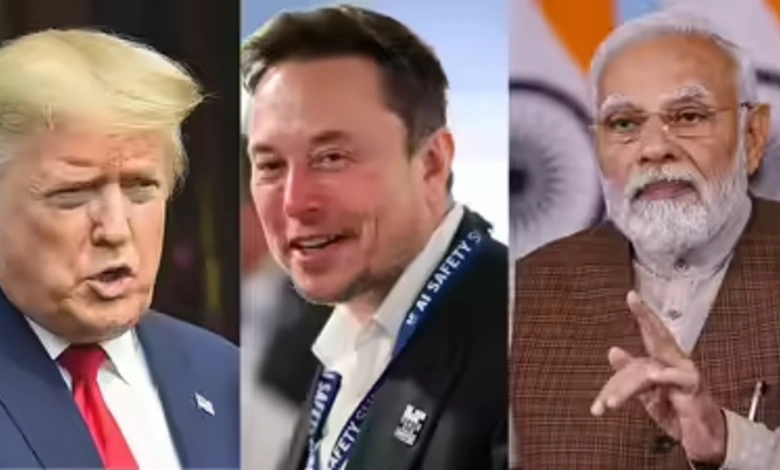
In a notable development, Tesla and SpaceX chief Elon Musk took part in a telephone conversation on Tuesday between Indian Prime Minister Narendra Modi and US President Donald Trump, according to a report by The New York Times. The inclusion of the private entrepreneur in discussions between two world leaders during an active geopolitical standoff marks an unusual occurrence, with US officials confirming his presence on the call.
The leaders addressed the ongoing situation in West Asia, with particular focus on the need to maintain the Strait of Hormuz as an open, secure, and accessible waterway. This vital maritime route carries a substantial portion of the world’s oil shipments and plays a central role in global energy supplies.
It remains unclear why Musk was invited to participate or if he contributed to the conversation. The call comes several months after reports of a rift between Musk and Trump following the former’s departure from a government position, though recent signs point to warming relations between the two. Musk’s companies maintain financial ties to sovereign wealth funds in the Middle East, and he has expressed interest in expanding business opportunities in India.
US Ambassador to India Sergio Gor noted that the discussion covered regional tensions and the strategic importance of ensuring smooth traffic through the Strait of Hormuz.




ALSO READ : Former Nepal PM KP Sharma Oli Detained in Probe
On the Indian side, Prime Minister Modi posted on X (formerly Twitter) that India backs de-escalation and the swift return of peace in the region. He added that both sides agreed to stay in contact on efforts to promote stability. The Indian readout further stressed that safe navigation through the Strait is essential for the well-being of the global economy.
The conversation took place one day after President Trump declared a five-day pause on possible US strikes targeting Iranian facilities, a move that sparked optimism about reduced hostilities. It also aligned with reports suggesting Washington might dispatch Vice President JD Vance to Pakistan for talks involving Iranian officials.
Separately, India’s External Affairs Minister S Jaishankar held discussions with US Secretary of State Marco Rubio on the conflict’s broader effects on world markets and India’s energy security. India has maintained communication with Iran to support the safe passage of Indian vessels, some of which continue to operate near the Strait despite recent clearances for others. Jaishankar also met Iran’s ambassador to India, Mohammad Fathali, to convey concerns and express appreciation for Tehran’s assistance to Indian nationals.
The Indian government has not issued a formal response to Trump’s decision to delay action on Iranian energy sites. Ministry of External Affairs spokesperson Randhir Jaiswal stated on Tuesday that both Modi and Jaishankar continue to emphasise in their engagements that lasting peace requires dialogue and diplomacy. India, like several European allies of the US, has shown limited enthusiasm for participating in a US-led naval coalition aimed at securing the Strait of Hormuz.