
Trump’s Hardline Stance: Halting Immigration from ‘High-Risk’ Nations Amid Security Fears
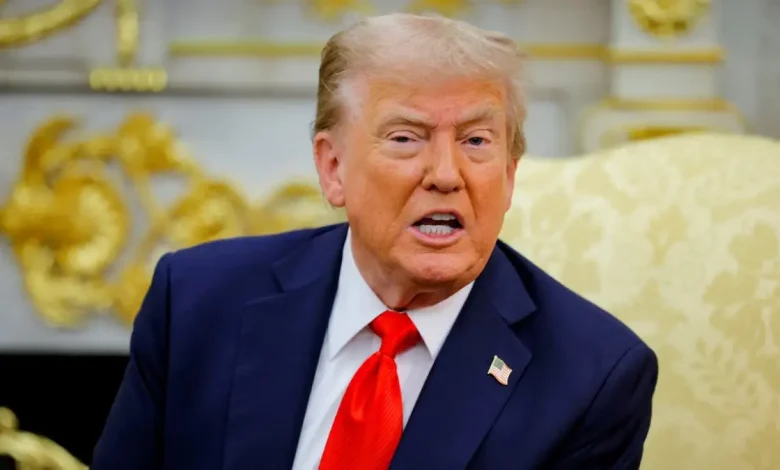
In a sweeping move tied to national security, the Trump administration has frozen all immigration applications from 19 countries deemed “high-risk,” following the president’s recent vow to indefinitely suspend entries from developing nations. The decision, announced Tuesday by the U.S. Citizenship and Immigration Services (USCIS), arrives just days after an Afghan national opened fire on two National Guard members in Washington.
This latest policy builds directly on a June directive that outright prohibited travel to the United States by citizens from 12 nations—Afghanistan, Myanmar, Chad, the Republic of Congo, Equatorial Guinea, Eritrea, Haiti, Iran, Libya, Somalia, Sudan, and Yemen—while imposing stricter limits on entrants from seven others: Burundi, Cuba, Laos, Sierra Leone, Togo, Turkmenistan, and Venezuela. Previously, the restrictions spared those already in the country. Now, that exemption ends.
A USCIS memo issued Tuesday declares that a thorough reevaluation—including potential interviews—of all individuals from these high-risk areas who arrived on or after January 20, 2021, the day former President Joe Biden assumed office, is essential. Until this process concludes, authorities will suspend processing of key benefit requests, such as Form I-485 for permanent residency adjustments, I-90 for Green Card renewals, N-470 for naturalization residency preservation, I-751 for lifting residency conditions, and I-131 for travel or parole documents.
ALSO READ : Bangladesh Won’t See Peace Until India Breaks Apart Says Former General Of Bangladesh Army




Within 90 days, USCIS plans to compile a prioritized roster of cases for scrutiny, with possible referrals to immigration enforcement or other agencies if red flags arise.
The action underscores a broader assault on legal immigration since Trump’s January return to the White House, complementing his aggressive pursuit of unauthorized border crossers—a core campaign pledge. Legal pathways face equal pressure, with proposed overhauls citing economic strains and security threats. Critics of the H-1B visa program, which enables U.S. firms to recruit global expertise, argue it undercuts domestic workers by favoring cheaper foreign hires. Trump has also leveled unsubstantiated claims that newcomers drain public resources.
Security justifications have intensified visa screenings and barriers, particularly for applicants from targeted regions. These dual rationales echoed in Trump’s Truth Social post last week, where he lamented: “Immigration Policy has eroded those gains and living conditions for many. I will permanently pause migration from all Third World Countries to allow the US system to fully recover… remove anyone who is not a net asset to the United States, or is incapable of loving our Country, end all Federal benefits and subsidies to noncitizens of our Country, denaturalize migrants who undermine domestic tranquility, and deport any Foreign National who is a public charge, security risk, or non-compatible with Western Civilization…”.
This USCIS directive marks an initial implementation of that agenda, signaling a potential overhaul of America’s intake from abroad.