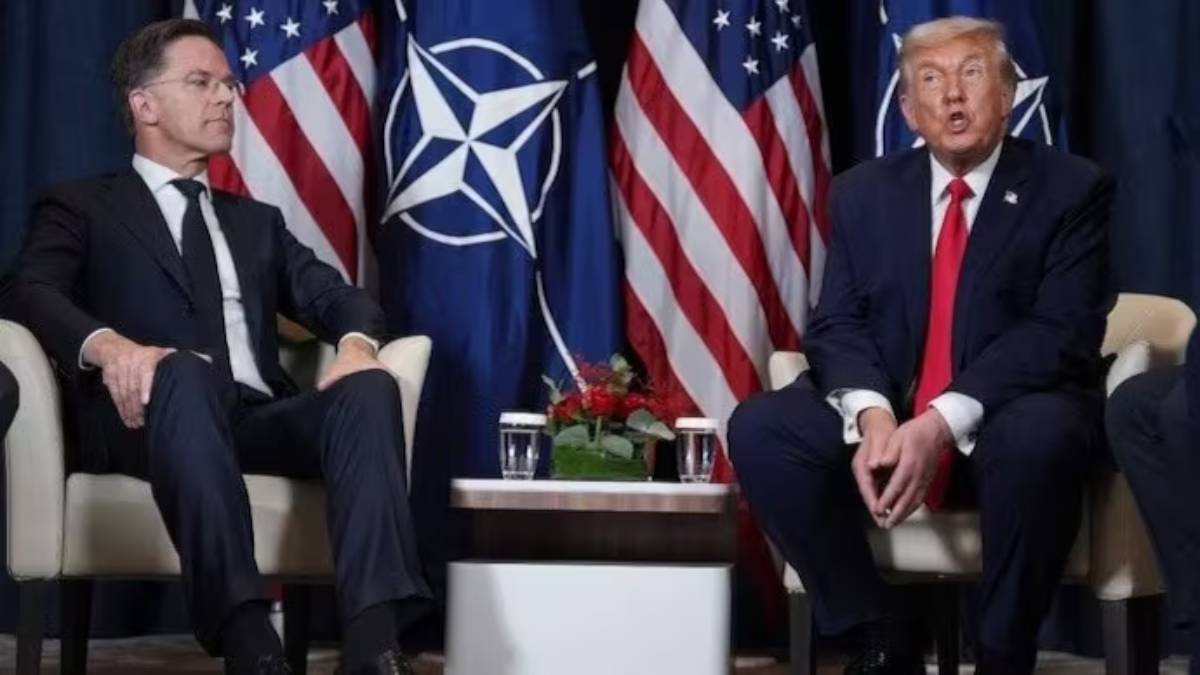
Washington has given European allies a tight deadline to present concrete plans for securing the Strait of Hormuz, as the fragile US-Iran ceasefire opens a narrow window for diplomatic action on one of the world’s most critical energy corridors.
A NATO spokesperson confirmed to Reuters that the United States has asked European partners to submit detailed proposals within days on how they plan to support safe navigation through the strait. The request was raised during high-level meetings at the White House, the Pentagon, and the State Department including a direct meeting between Donald Trump and NATO Secretary-General Mark Rutte. Rutte subsequently briefed several European capitals that Trump wants firm commitments on Hormuz within days, Reuters reported.
A UK-led coalition of more than 40 countries including European nations, Japan, and Canada has said it will help reopen the strait, which carries nearly a fifth of the world’s oil and gas supply.
Ceasefire Holds in Name, Not Entirely in Practice
The situation on the ground is far from settled. Despite a 14-day ceasefire being announced, fighting has not fully stopped. Iran has pointed to continued Israeli strikes in Lebanon as a violation of the agreement, and the strait itself remains largely closed with no clear sign of normal shipping traffic resuming.
Iranian Parliament Speaker Mohammad Bagher Qalibaf stated that Lebanon and the entire Resistance Axis Iran’s network of allies form an inseparable part of the ceasefire under a 10-point proposal framework.
That gap between what has been pledged and what is actually happening is driving Washington’s urgency. US officials want to ensure that if the ceasefire holds, ships can move through Hormuz without delay.
Trump Turns on NATO
The crisis has also widened existing fractures between Washington and its NATO partners. Several European countries held back from supporting US military action against Iran in recent weeks and were reluctant to commit to Hormuz operations while hostilities were still active.
Trump did not hold back. After his meeting with Rutte, he posted on Truth Social: “NATO WASN’T THERE WHEN WE NEEDED THEM, AND THEY WON’T BE THERE IF WE NEED THEM AGAIN.”

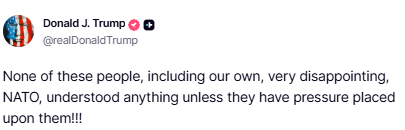
It is not the first time Trump has questioned NATO’s value he has repeatedly raised doubts about the alliance and has threatened that the United States could step away from it altogether. Secretary of State Marco Rubio has echoed that frustration, making clear that allies need to do more and hinting that Washington could reassess its commitments if support does not materialise.
For Rutte, the pressure is coming from multiple directions the Iran conflict, persistent disagreements over defence spending, and now a US president publicly questioning the alliance’s reliability.
What Comes Next
Diplomatic efforts are still running in parallel. Vice President JD Vance is expected to lead a US delegation to Islamabad on April 11 for direct talks with Iran aimed at establishing a permanent truce. For now, everything hinges on whether the ceasefire holds and how fast allies move.