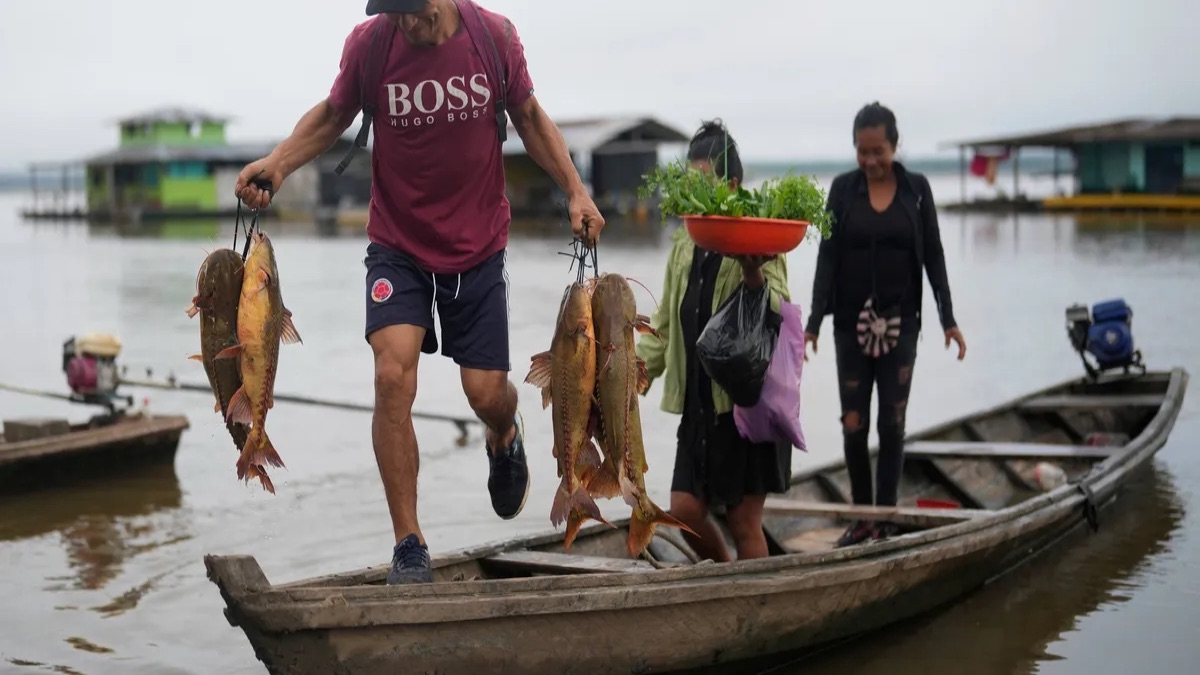
A new study published in Science Advances has found that dissolved oxygen levels are declining in more than half the world’s rivers, posing a growing threat to aquatic life and water quality.
The research, led by scientist Qi Guan from the Chinese Academy of Sciences, analysed oxygen levels in more than 16,000 rivers using 3.4 million satellite images spanning 1985 to 2023. On average, rivers lost 0.045 milligrams of oxygen per litre each decade. While researchers initially expected higher-latitude rivers to be most affected, the data showed that rivers in tropical regions are also vulnerable.
If emissions continue at current rates, the study projects that rivers across parts of South America, India, the Arctic, and the eastern United States may lose around 10% of their dissolved oxygen by 2100.
The decline is driven by several factors. Warmer water holds less oxygen. Nutrient pollution from agricultural runoff triggers algae growth, and when algae dies and decomposes, microbes consume additional oxygen in the process. Slow-moving water in dams and reservoirs extends this cycle, accelerating oxygen depletion.
Scientists warn that low-oxygen rivers can release harmful greenhouse gases and toxic metals leaching from sediments, degrading overall water quality.
Speaking to the Associated Press, Guan said: “Deoxygenation is a very slow process. If we have a long period, the negative impact will attack the river ecosystems.” He added: “The low level of oxygen can cause a series of ecological crises such as biodiversity decline and water quality degradation.”
Also Read: Thailand Cuts Visa-Free Stay to 30 Days for Indians and 92 Countries |
The study concluded that systematically understanding these changes is crucial for building the resilience of river ecosystems and achieving sustainable management of global rivers.
-
-

-
-