
Desperate Digging in Sri Lanka’s Mud: Families Unearth Loved Ones Four Days After Cyclone’s Fury
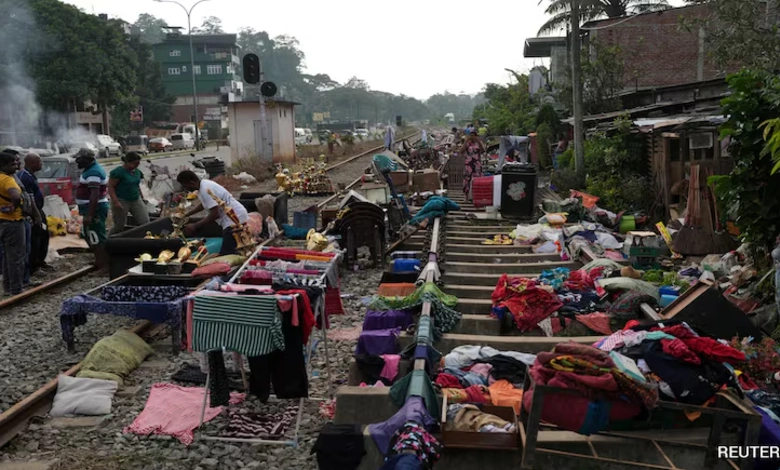
COLOMBO, Sri Lanka — In the shadow of a devastating cyclone that has claimed nearly 500 lives, residents of Sri Lanka’s central hills are wielding shovels and bare hands to comb through thick layers of sludge, desperately seeking the remains of those swallowed by a midnight landslide.
Four days after Cyclone Ditwah ripped through the Indian Ocean island last week, triggering floods and mudslides that affected 1.2 million people — the worst inundation in a decade — villagers in the Mawathura area pressed on with their grim task. The disaster flattened 13 homes in a single night, leaving behind only shattered window frames, crumbling walls, and a lone, tangled red sari embedded in the debris.
Neil Jayasinghe, a local bakery owner from a nearby town, recounted the hurried recovery of his uncle, aunt, and grandmother-in-law under the cover of darkness. “We managed to dig them out last night,” Jayasinghe told Reuters. “We just wrapped them in a sheet and buried them nearby. There wasn’t even a coffin.”
ALSO READ : Pak Sends Expired Food To Sri Lanka : Pakistan Under Fire For Sending Expired Flood Relief




The storm’s toll extends far beyond this isolated hillside. Sri Lankan authorities report 474 fatalities nationwide, with over 350 individuals still unaccounted for amid the chaos of swollen rivers and collapsed structures. The cyclone formed part of a brutal wave of deadly weather systems that battered South and Southeast Asia in recent weeks, ravaging vast regions of Indonesia, Malaysia, and Thailand, where hundreds more perished in similar deluges.
In the hardest-hit Kandy district, where 118 deaths have been confirmed, survivors like Shantha Kumara, 49, sifted through rubble by hand, shifting bricks in a bid to locate bodies. Kumara and his wife and three children had fled to a nearby temple as neighboring houses buckled around them. “We made it there and returned at dawn, but by that time nothing was left,” he said.
Down in the town of Gampola, the cleanup revealed the cyclone’s reach into everyday livelihoods. B.S. Wickramasinghe, 71, and his son labored to rinse mud from radios in his electrical repair shop, while a mound of sludge-encased television sets loomed nearby, beyond salvage. “When the owners come and ask me for their TVs, I am just going to point to this, because there is no way I can replace them,” Wickramasinghe lamented, pegging his losses at roughly 7 million rupees, or about $23,000.
At government offices in the region, officials and volunteers hustled to distribute essentials — cooked meals, clean water, clothing, and more — to 8,000 displaced residents housed in 27 temporary relief centers. Chinthani Herath, a regional official, underscored the need for long-term planning. “We will have to look at the location of these villages with the support of other government agencies,” she said, hinting at potential relocations to safer ground.
As the death toll mounts and floodwaters recede, the human cost of Cyclone Ditwah lingers in the air — a stark reminder of nature’s unforgiving power across Asia’s vulnerable shores.