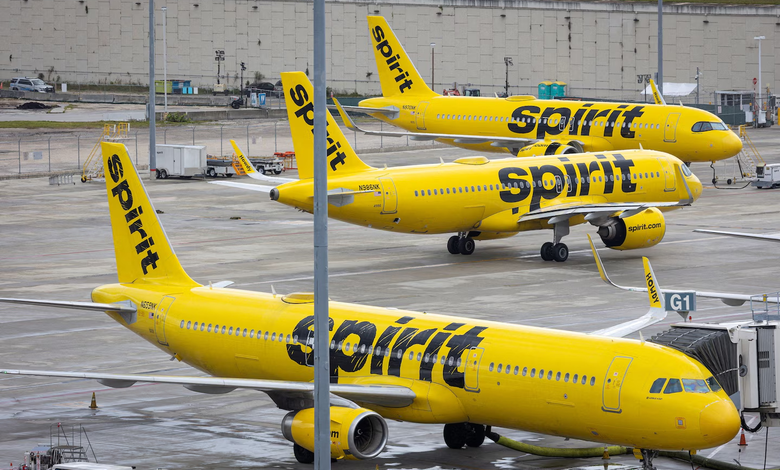
Washington: The abrupt shutdown of Spirit Airlines marks the end of a decades-long run for one of America’s most recognizable budget airlines, following unsuccessful efforts to secure financial rescue. According to Associated Press, the airline ceased operations after failing to finalize a proposed bailout backed by Donald Trump’s administration, which had explored a taxpayer-funded plan to keep the company afloat.
Until the final hours, the administration indicated it was evaluating a “last proposal” that could have involved government intervention. However, the deal ultimately collapsed, leaving the airline without the liquidity needed to continue operations. Spirit had already been grappling with severe financial strain, including multiple bankruptcy filings within a short span.
The airline’s downfall was driven by a combination of economic and operational challenges. A sharp increase in jet fuel prices—linked to geopolitical tensions—significantly raised costs, worsening its already fragile financial position. Analysts cited in the AP report suggested that broader policy decisions, including actions impacting global oil markets, indirectly contributed to the airline’s mounting expenses.
Spirit had built its reputation on ultra-low fares and a no-frills approach, reshaping budget air travel in the United States. Its business model influenced competitors, but also left it vulnerable to cost fluctuations and intense competition. The company’s closure is expected to impact budget-conscious travelers the most, particularly in regions where it maintained a strong presence.
The sudden halt in operations also left thousands of employees and passengers facing uncertainty, highlighting the broader consequences of the airline’s collapse. With no agreement reached and financial pressures mounting, Spirit’s shutdown underscores the volatility of the low-cost aviation sector and the challenges airlines face in sustaining operations amid rising costs and shifting market conditions.
Also Read: China Invokes First-Ever ‘Blocking Order’ Against US Sanctions on Firms Buying Iranian Oil