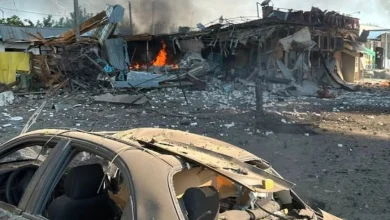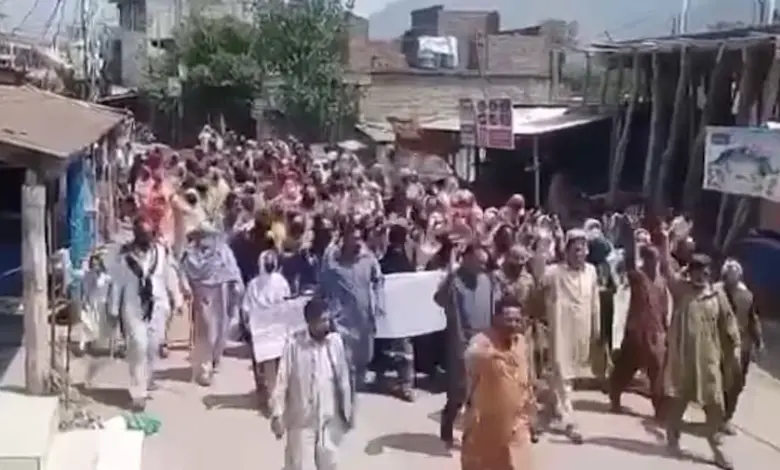
In a fresh escalation of violence in Pakistan-occupied Kashmir, security forces opened fire on thousands of unarmed demonstrators on Thursday, killing at least 16 people and injuring 37 others at Eidgah Ground in Rawalakot.
The protest, which began peacefully, saw ordinary residents demanding access to affordable flour, rice, electricity, and fundamental rights. It quickly turned violent when forces responded with gunfire from AK-47 rifles, transforming the gathering into a scene of chaos.
Between 60,000 and 70,000 people had converged in Rawalakot to voice opposition to Pakistan’s ongoing control and policies in the region. Demonstrators specifically sought justice for the 30 individuals killed and around 200 wounded in similar clashes with security forces just two days earlier on Tuesday.
Protesters chanted slogans highlighting their grievances, including the widely repeated cry: “This terrorism is being carried out by those in uniform.” This phrase has emerged as a powerful rallying call throughout the area.
In nearby Khai Gala village, locals closed markets and took to the streets in protest against the bloodshed. The aftermath left roads and fields stained with blood, as grieving families searched desperately for missing relatives.
Sardar Aman Khan, a prominent political activist from the region and a key figure leading the movement, pledged to sustain the campaign despite the heavy toll. He criticized the tendency of authorities to brand those advocating for basic rights as terrorists.
Local political leaders and members of the Joint Awami Action Committee addressed the rally. They condemned the authorities’ response to the demonstrations and demanded an independent probe into the deaths and injuries. Speakers also called on the international community and human rights groups to closely monitor the developments and advocate for justice on behalf of the victims’ families.
The incidents underscore deep-seated tensions in the region, with repeated cycles of protest and forceful suppression highlighting longstanding demands for accountability and improved living conditions.