Pakistan is signaling a renewed interest in projecting naval power into the Bay of Bengal, marking a notable shift after more than five decades of limited activity in those waters following its 1971 defeat.
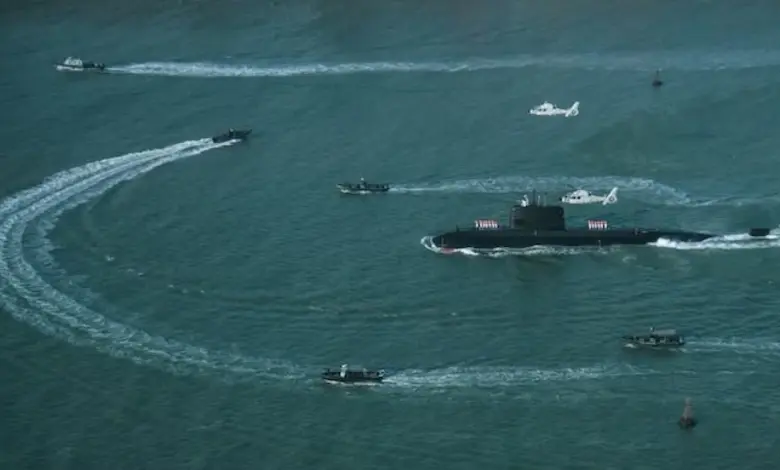
The development centers on the recent arrival in Karachi of the PNS Hangor, the first of a new class of submarines built in China. Senior naval officers have indicated that the vessel could enable operations far from Pakistan’s traditional areas in the Arabian Sea, aiming to establish a presence in the Bay of Bengal region.
This ambition carries historical resonance. During the 1971 conflict, an earlier Pakistani submarine named Hangor sank the Indian warship INS Khukri in the Arabian Sea, resulting in significant loss of life. Despite that tactical success, Pakistan faced a decisive defeat in the war, which led to the independence of Bangladesh and the effective end of its naval operations in the Bay of Bengal.
The new Hangor-class submarines feature advanced air-independent propulsion technology, allowing them to remain submerged for longer periods without surfacing to recharge batteries. This capability enhances their stealth and operational endurance. Pakistan intends to acquire a total of eight vessels in the class to modernize its fleet, replacing older models.
The timing of these statements coincides with strengthening ties between Pakistan and Bangladesh. Relations between the two countries, strained for decades after 1971, have improved markedly in recent years through resumed direct flights, increased trade, cultural exchanges, and military engagements. A Pakistani frigate visited a Bangladeshi port in late 2025 the first such call since the Liberation War—and discussions on deeper defense cooperation are reportedly underway.
ALSO READ : Bay of Bengal Storm Intensifies: Heavy Rains Expected in South While Gujarat Braces for Continued Cold
The Bay of Bengal holds strategic value for regional trade routes and is bordered by several nations, including India and Bangladesh. India maintains a strong naval presence there through its Eastern Naval Command and island territories, viewing the area as vital to its broader maritime interests in the Indo-Pacific. Under international maritime law, foreign naval vessels can operate in international waters beyond coastal states’ territorial seas and exclusive economic zones.
While Pakistan’s expanded submarine capabilities may not fundamentally shift the regional balance, they reflect Islamabad’s desire for a wider operational footprint in the Indian Ocean. Analysts note the symbolic importance Pakistan attaches to the Hangor name, even as today’s naval environment differs significantly from that of 1971, with India possessing a much larger and more advanced fleet.
-

-

-

-