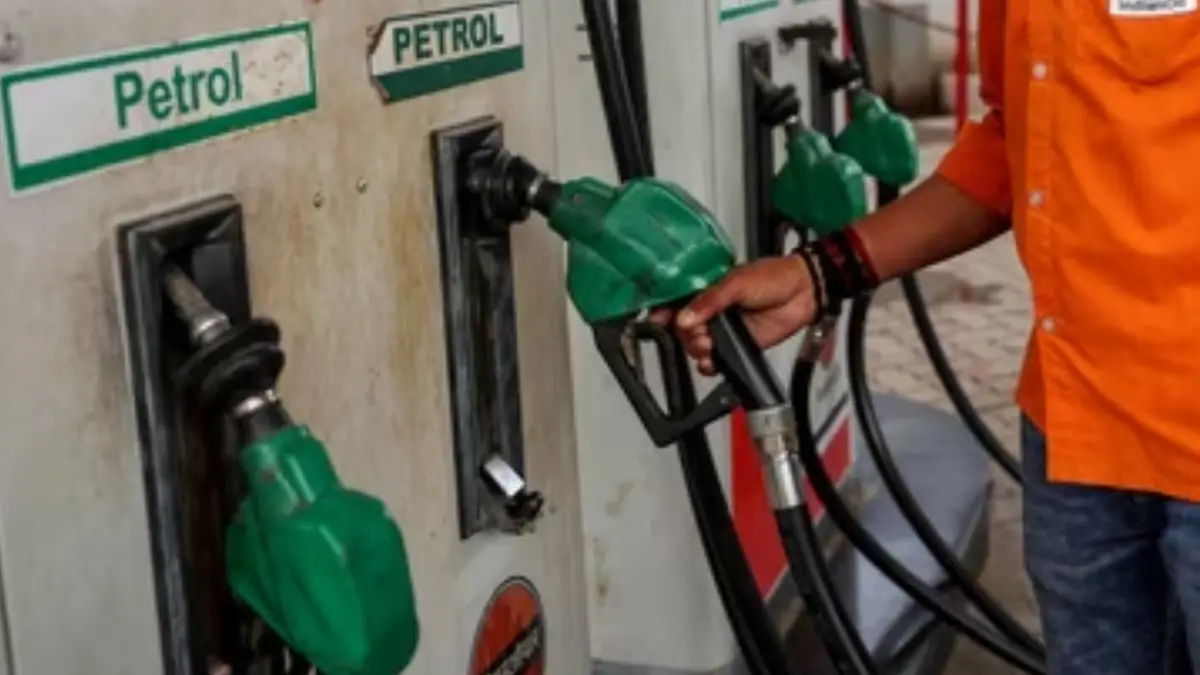
Oil prices have fallen to pre-war levels since the US and Iran signed a memorandum of understanding, offering relief to economies worldwide. Brent crude, the international benchmark, settled 3.8% lower at $73.87 a barrel on Wednesday. While Brent has traded below $80 in recent sessions, it remains above the roughly $70 a barrel level seen before the war began at the end of February. US crude settled 3.9% lower at $70.34 a barrel the same day.
Early Thursday, prices extended their decline, with Brent down a further 1.3% at $72.90 and US benchmark crude off 1.4% at $69.37. The slide comes as shipping through the Strait of Hormuz slowly resumed last week under the US-Iran memorandum of understanding.
Hormuz management ‘will not involve imposing any transit fees’: Oman
Oman’s Foreign Minister, Sayyid Badr bin Hamad Al Busaidi, said on Thursday, after meeting fellow Gulf diplomats and US Secretary of State Marco Rubio, that “future arrangements concerning the Strait of Hormuz will not involve imposing any transit fees.”
Also Read:“Just Use The AC”, Why Are AC’s Rare In Europe?
Al Busaidi reiterated Oman’s support for the memorandum of understanding signed between the United States and Iran and stressed the importance of ensuring its objectives succeed “in pursuit of the desired peace,” the Omani Foreign Ministry said in a statement. He also underlined the importance of restoring freedom of navigation through the strait and ensuring its safe, uninterrupted flow, noting that Oman, as a littoral state, bears special responsibility for supporting international efforts to secure maritime navigation under international law and the United Nations Convention on the Law of the Sea, the statement added.
Toll at one waterway would ‘spread like contagion’ to others: Rubio
“International waterways do not belong to any nation state,” Rubio said earlier in the day at the Gulf Cooperation Council meeting in Bahrain. “If, in fact, we accepted that you can charge money to use an international waterway because it happens to be near your territorial space, well then this will spread throughout the world like a contagion,” the US Secretary of State said.
Iran and Oman have said they are setting up a new joint mechanism to regulate traffic through the Strait of Hormuz a critical waterway for global energy supplies that was free and open before the US and Israel launched strikes on Iran around four months ago. In an earlier joint statement, Oman and Iran said the new system could have “costs associated.” Tehran has long maintained it could impose fees on commercial vessels transiting the strait, a position the Trump administration has rejected.
‘Fall in pump prices going to take time’: Chevron CFO
Chevron’s chief financial officer, Eimear Bonner, said on Thursday that “it’s going to take time” for prices at the pump in the US to fall, even as global oil prices dropped sharply and tankers began moving in greater numbers through the strait. “I mean, there is a lag between oil prices and reduction in oil prices and when that shows up at the pump,” Bonner said on CNBC.
President Donald Trump on Wednesday criticised major energy firms, accusing them of “gouging” American drivers by not cutting prices. Trump told White House reporters he had ordered an investigation into the matter, saying “gasoline prices should be much lower at the pump,” and named Chevron, ExxonMobil, Shell and BP specifically.
-
-

-
-