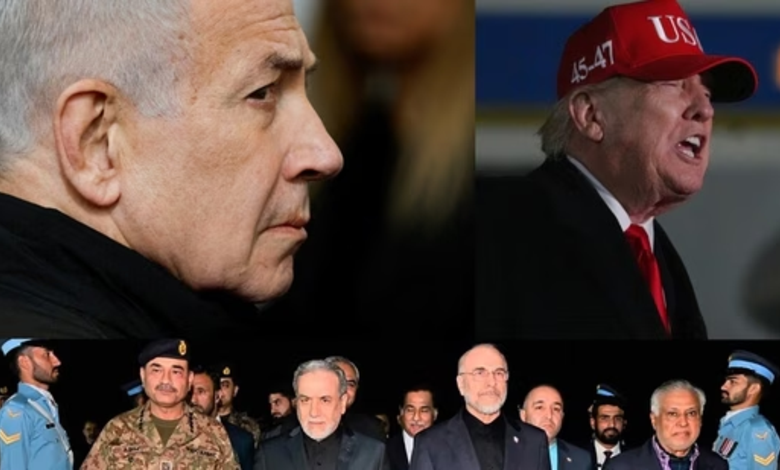
Washington: US-Iran indirect negotiations, mediated by Pakistan in Islamabad, stretched nearly 21 hours but ultimately collapsed without any agreement, leaving key issues such as Iran’s nuclear program and access to the Strait of Hormuz unresolved.
The high-level discussions, described as the most intensive in 47 years between the two nations, were aimed at ending the ongoing conflict. According to reports, a potential memorandum of understanding was reportedly “just inches away” before the talks broke down.
Iranian Foreign Minister Abbas Araghchi suggested that a phone call from Israeli Prime Minister Benjamin Netanyahu to US Vice President JD Vance during the negotiations may have influenced the outcome. Citing Press TV, Araghchi claimed the conversation prompted the US side to introduce new demands aligned with Israeli interests, resulting in shifting goalposts at the table.
In a post on X (formerly Twitter), referenced by Iranian media, Araghchi expressed disappointment, noting that Iran had negotiated in good faith while the US pursued through diplomacy what it could not achieve through military means. He highlighted “maximalism, shifting goalposts, and blockade” as factors that derailed progress when a deal seemed imminent.
Iranian state broadcaster IRIB reported on Telegram that the Iranian delegation held continuous and intensive talks for 21 hours to safeguard national interests. Despite multiple initiatives from the Iranian side, the negotiations ended due to what it called “unreasonable demands” from the American delegation.
US Vice President JD Vance, who led the American team, described the US offer as its “final and best” during a press briefing. He stated that Iran had chosen not to accept the terms, calling the lack of agreement “bad news for Iran much more than for the United States.”
President Donald Trump echoed this position in a Truth Social post, emphasizing that the marathon meeting lasting from early morning into the night made clear Iran remained unwilling to abandon its nuclear ambitions. Trump reiterated that Iran would never acquire a nuclear weapon.
The failure has heightened concerns over continued volatility in the strategically vital Strait of Hormuz and broader regional stability.
Also Read: NASA’s Artemis II Astronaut Says Earth Is “Impossibly Beautiful”
-
-
-

-