
NATO Warns Iran Must Not Acquire Nuclear Weapons as Mark Rutte Flags ‘Increasingly Dangerous’ Capabilities
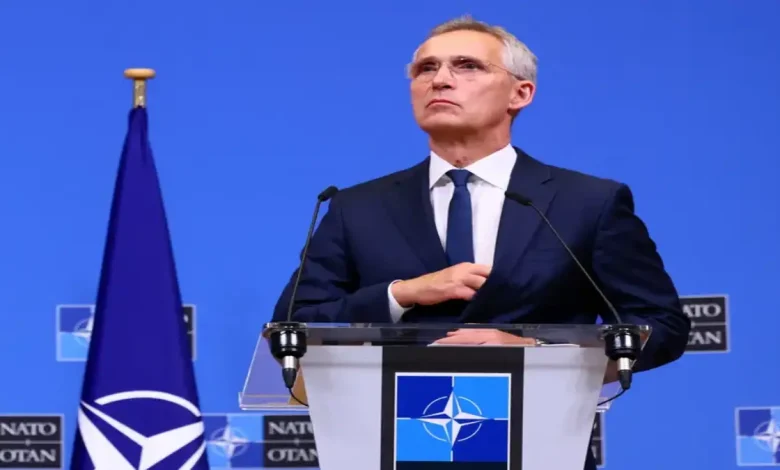
NATO Secretary General Mark Rutte has reaffirmed the alliance’s firm position that Iran must not be allowed to develop nuclear weapons, cautioning that Tehran’s military capabilities are becoming “increasingly dangerous.”
Speaking during a briefing on Thursday (March 26), Rutte underscored that NATO allies have consistently maintained a unified stance on Iran’s nuclear ambitions. “Allies have agreed that Iran must not develop a nuclear weapon,” he said, warning that such a development would pose a serious threat not only to the Middle East but also to global security.
Rutte pointed to recent developments, including attempted strikes and the expansion of missile reach, as signs of rapidly evolving capabilities. He described these developments as “relevant,” indicating that NATO is closely tracking Tehran’s military progress. According to him, Iran’s growing arsenal and regional activities are raising concerns across the alliance, particularly amid ongoing tensions in the region.
NATO Remains Prepared
Despite these concerns, Rutte stated that NATO remains ready to defend its member states. He cited recent interceptions of missiles directed toward Turkey as evidence of the alliance’s defensive readiness. He added that NATO continues to evaluate risks stemming from Iran’s actions, especially in strategically significant areas such as the Strait of Hormuz, where tensions have been escalating.



Also Read:Trump Says Iran Is ‘Begging’ for a Deal, Calls Them ‘Lousy Fighters but Great Negotiators’
While addressing Iran, Rutte reiterated that Russia remains NATO’s primary security concern. He referred to cyberattacks, airspace violations, and sabotage activities as ongoing threats linked to Moscow. He also highlighted growing cooperation between Iran and countries like China and North Korea, suggesting a broader alignment that NATO is monitoring closely.
Rutte concluded by stressing the importance of increased defence spending and stronger coordination among NATO allies to effectively respond to both immediate and emerging security challenges.