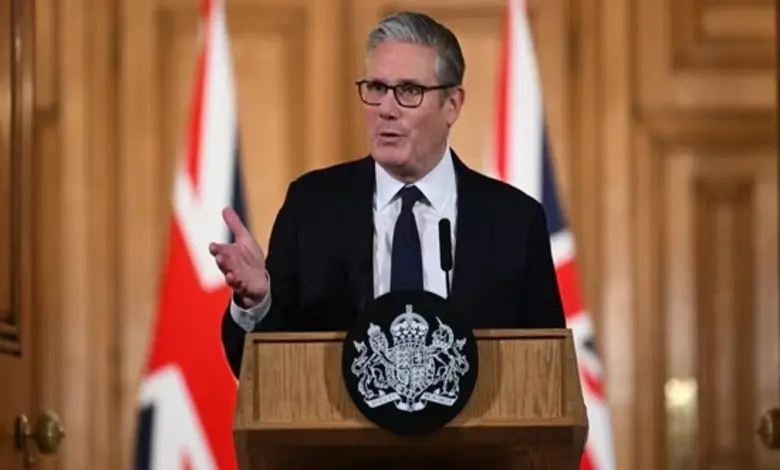
British Prime Minister Keir Starmer has announced his resignation, bringing an end to his tenure at the helm of the Labour government. The decision comes after intensifying internal divisions within the party and mounting criticism from senior colleagues, marking a significant shift in the United Kingdom’s political landscape.
Speaking at a press conference outside 10 Downing Street on Monday, June 22, Starmer addressed the growing speculation about his future. He defended his record while acknowledging the challenges he faced, famously describing the party he inherited as something akin to a “Lego party” that required rebuilding from the ground up. In his remarks, the outgoing leader pledged to offer full support to whoever succeeds him, emphasizing stability during the transition.
Starmer’s departure follows months of political strain. A key catalyst appears to have been the strong performance of Labour rival Andy Burnham, who secured a decisive victory in a recent by-election in Makerfield. This result has positioned Burnham as a prominent figure within the party, with many viewing him as a formidable candidate capable of leading Labour into future contests, including against opposition leader Nigel Farage in 2029.
Discontent within Labour ranks had been building for some time. Following a series of disappointing results in local elections held in May, questions arose about Starmer’s ability to steer the party toward victory in the next general election. Cabinet members and MPs reportedly pressed him to outline a clear departure timeline or step aside promptly. Senior figures, such as former Health Secretary Wes Streeting, publicly signaled distance from his leadership, highlighting concerns over party unity and direction.
ALSO READ : Starmer Faces Mounting Pressure to Step Down as UK Prime Minister
Since assuming office in 2024, Starmer’s administration encountered criticism on several fronts, including slow progress on economic growth, strains in public services, and persistent cost-of-living pressures. Multiple policy reversals last year, driven by internal party demands, further eroded confidence in the government’s consistency. Additional scrutiny fell on the appointment of Lord Peter Mandelson as ambassador to the United States, which faced backlash due to vetting issues and past associations that drew public attention.
As the Labour Party prepares for a leadership contest, the focus now turns to potential successors and the path forward. Starmer’s exit underscores the volatile nature of political leadership, where electoral setbacks and internal dynamics can rapidly reshape the balance of power
-

-

-

-