
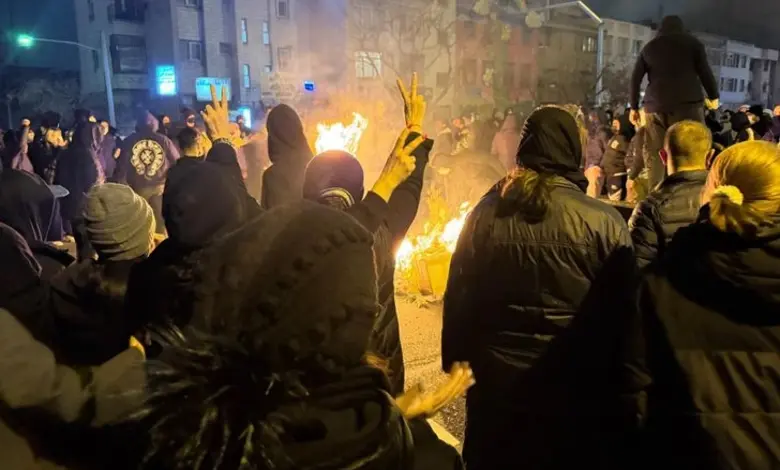
The death toll from Iran’s escalating nationwide protests has now exceeded 2,500, according to activists who maintain that their estimate remains cautious and likely understates the true scale of fatalities.
The U.S.-based Human Rights Activists News Agency (HRANA) documented at least 2,571 confirmed deaths as of early Wednesday. This number—far higher than those recorded in any major unrest in Iran for decades—draws parallels to the violent upheaval that marked the 1979 Islamic Revolution. Among the victims, HRANA reported 2,403 protesters, 147 individuals linked to the government or security forces, including 12 children and nine civilians uninvolved in the demonstrations. The group also recorded more than 18,100 arrests.
Sparked just over two weeks ago by widespread anger over Iran’s collapsing economy and plunging currency, the protests rapidly evolved into open defiance of the ruling theocracy and Supreme Leader Ayatollah Ali Khamenei, aged 86. In Tehran, protesters have been filmed spray-painting anti-regime messages and chanting calls for Khamenei’s death—an offense that can carry the death penalty under Iranian law.
Iranian state television issued the regime’s initial public admission of significant losses, with an official describing “a lot of martyrs” and attributing the delay in disclosing figures to the severe, mutilating nature of many injuries. The statement followed HRANA’s release of its high casualty count.
ALSO READ : U.S. tariff threat puts India-Iran ties, BRICS plans under strain
Widespread internet and communications blackouts have made independent confirmation extremely difficult inside Iran. The Associated Press has been unable to verify the numbers directly. Skylar Thompson of HRANA told the AP that the surge—reaching roughly four times the fatalities from the prolonged 2022 Mahsa Amini protests in just over two weeks—was deeply disturbing. “We’re horrified, but we still think the number is conservative,” she said, signaling that further rises are anticipated.
U.S. President Donald Trump reacted via Truth Social, writing: “Iranian Patriots, KEEP PROTESTING – TAKE OVER YOUR INSTITUTIONS!!!” He stated he had canceled all meetings with Iranian officials until the killing of protesters ended and added, “HELP IS ON ITS WAY.” Speaking to reporters later, Trump indicated his administration was awaiting confirmed reports on protester deaths before determining further action, noting that Iranian security forces appeared to have engaged in serious misconduct, though unverified.
Iranian authorities responded forcefully. Ali Larijani, secretary of Iran’s Supreme National Security Council, countered U.S. statements by naming Trump and Israeli Prime Minister Benjamin Netanyahu as the “main killers” of Iranians.
Witnesses in Tehran, reconnecting with the outside world after days of isolation, described intense security measures: riot police in helmets and body armor equipped with batons, shields, shotguns, and tear gas; Basij militia members armed with firearms; and plainclothes officers in public spaces. Streets showed signs of destruction, including burned government buildings and vandalized ATMs, with sparse crowds. Banks and offices faced operational challenges due to the internet shutdown. Some residents voiced fears of potential U.S. military intervention amid the ongoing uncertainty.