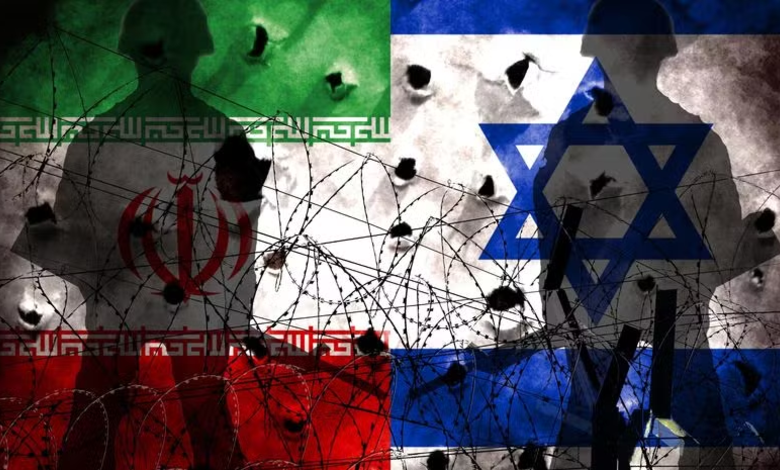
Tehran has publicly specified its prerequisites for bringing an end to the ongoing armed conflict involving the United States, Israel, and Iran. In a statement shared on the social media platform X, Iranian President Masoud Pezeshkian outlined the terms, emphasizing that peace depends on formal acknowledgment of Iran’s legitimate rights, full compensation for damages sustained, and robust international assurances to prevent any recurrence of aggression.
Pezeshkian made the declaration following discussions with the leaders of Russia and Pakistan, during which he reiterated Iran’s dedication to regional stability. He attributed the outbreak of the war to actions by what he termed the “Zionist regime” and the United States. “The only way to end this war—ignited by the Zionist regime & US—is recognizing Iran’s legitimate rights, payment of reparations, and firm int’l guarantees against future aggression,” the president posted.
The three conditions are:
- Recognition of Iran’s legitimate rights.
- Payment of reparations for losses and destruction caused by the conflict.
- Strong, binding international guarantees ensuring no future attacks on Iranian territory or interests.
This position comes amid heightened tensions in the region, where military exchanges between the involved parties have continued. Earlier, a spokesperson for Iran’s armed forces, speaking on state television (IRIB), warned that Iranian capabilities extend to any potential targets in the Persian Gulf should Washington strike Iranian ports or economic sites, signaling Tehran’s readiness to defend its interests vigorously.
ALSO READ : Japan First G7 Nation To Announce Release Of Oil Reserves As Middle East Tensions Push Prices Up
Pezeshkian’s statement represents a clear diplomatic outreach framed around non-negotiable demands for a sustainable resolution. It underscores Tehran’s insistence that any cessation of hostilities must address the root causes and consequences of the conflict, rather than a unilateral imposition of terms by the opposing sides. The proposal arrives as broader international attention focuses on the war’s trajectory and its implications for Middle Eastern stability.
-
-
-

-