
India-U.S. Trade Pact Sparks Relief for Seafood And Agri Exporters, Fury Among Farmers Over Crop Import Fears
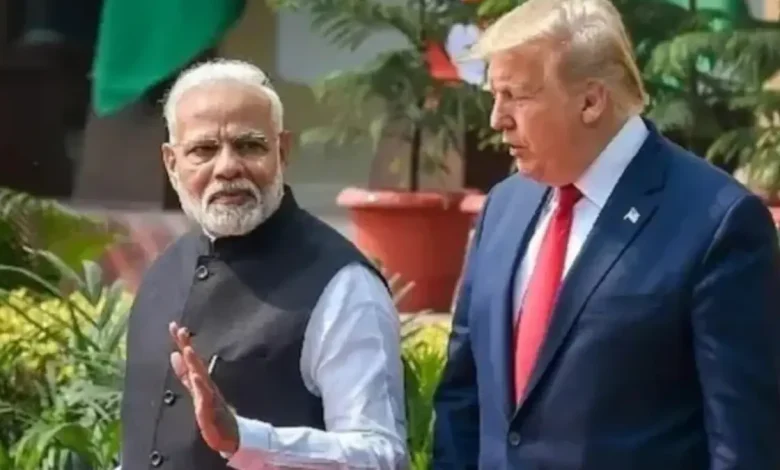
A recently announced trade agreement between India and the United States has elicited contrasting reactions from key stakeholders in the agricultural and seafood sectors.
Exporters in agriculture, fisheries, and particularly seafood welcomed the deal, which lowers U.S. tariffs on Indian goods to 18% from the 50% rate imposed since August 2025. Alex Ninan of the Seafood Exporters Association of India (SEAI) told that the industry was “back in the business now.” SEAI president G. Pawan Kumar noted that seafood exports had fallen 6.3% in value and nearly 15% in volume from April to November 2025 compared with the previous year, attributing the decline to those steep tariffs. He expressed optimism that the reduced 18% duty would enable shipments to the U.S. to recover swiftly to earlier levels.
Farmers and their organizations, however, voiced sharp criticism and alarm. The Samyukt Kisan Morcha (SKM) labeled the pact a “betrayal of the people,” accusing the government of yielding to U.S. pressure by permitting zero percent import tariffs on American goods. The group warned that heavily subsidized U.S. products—including soybean, cotton, maize, and wheat—could inundate the Indian market and severely harm local producers. It highlighted the scale difference: the U.S. has roughly 1.88 million farmers according to a 2024 survey, versus India’s 146.5 million operational holdings per the 2015 agricultural census. With 48% of India’s workforce and 65% of its population dependent on agriculture and related activities, the SKM described the deal as capitulation to “U.S. imperialism” and urged farmers to join a nationwide strike called with trade unions on February 12.
ALSO READ : India-US Trade Deal : PM Modi Buckled Under Pressure, Sold Out’ Hardwork Of Farmers Says Rahul Gandhi


The All India Kisan Sabha called for the government to present the complete text of the India-U.S. agreement—along with free trade pacts involving the United Kingdom and European Union—in Parliament for comprehensive debate with state involvement. It demanded the scrapping of all such agreements viewed as detrimental to farmers and workers.
Dairy sector concerns also surfaced. Gujarat-based dairy farmer leader Dayabhai Gajera pointed to existing pressures from rising input costs and insufficient returns on milk and dairy items. He cautioned that greater inflows of subsidized dairy imports would intensify difficulties for producers and processors.
The Centre of Indian Trade Unions condemned the arrangement as potentially the “most deadly action” against the livelihoods of millions of Indian workers, peasants, and the country’s economic independence, denouncing the Modi administration’s approach as “anti-national” and “anti-people.”