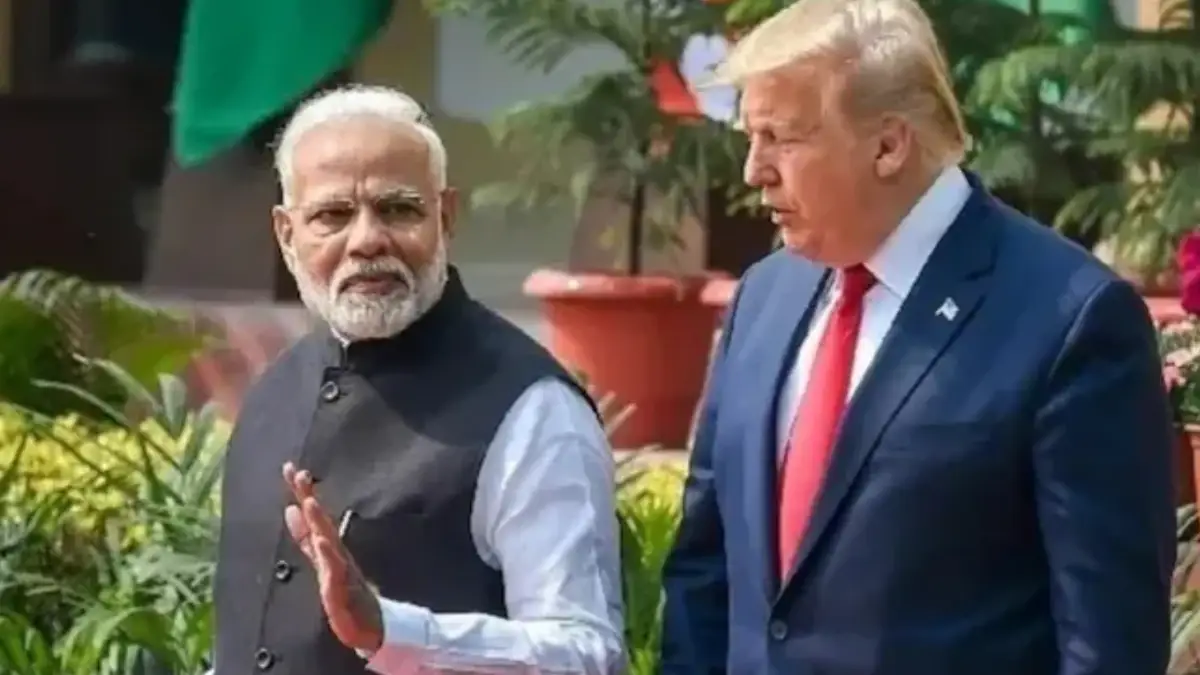
The Bharatiya Kisan Union (BKU) has declared its strong opposition to the recent India-U.S. bilateral trade agreement, announcing plans for widespread protests, including the symbolic burning of effigies of Prime Minister Narendra Modi and U.S. President Donald Trump in villages across the country.
Speaking to reporters in New Delhi on February 10, 2026, BKU leader Rakesh Tikait accused the central government of eroding farmers’ trust through secretive negotiations and policies detrimental to agriculture. He asserted that the trade pacts with the United States and the European Union would inflict severe, long-term damage on Indian farmers’ livelihoods.
Tikait highlighted that the full texts of these agreements remain undisclosed, shrouded in secrecy, which he claimed was deliberate to suppress potential nationwide farmer unrest. He called for India to either fully withdraw from the deals or excise all agriculture-related clauses. According to him, both the U.S. and EU heavily subsidize their farmers and maintain large agricultural surpluses, enabling them to flood markets in developing nations like India with cheap imports.
He specifically warned that imports of Dried Distillers Grains with Solubles (DDGs)—a biofuel by-product used as animal feed—would depress prices of domestic feed crops such as maize, sorghum, and soybean. Additionally, increased soybean oil imports from the U.S. would further depress already low farm-gate prices for soybean, well below the minimum support price of ₹5,328 per quintal, exacerbating distress among growers in states including Madhya Pradesh, Maharashtra, Telangana, and Rajasthan.
ALSO READ : Drivers on Coastal Road to Experience ‘Jai Ho’ Tune as Chief Minister Inaugurates India’s First Musical Road
Tikait also condemned recent legislative proposals, describing the draft Seeds Bill as highly damaging for raising seed costs, bolstering corporate dominance, and undermining protections under the Protection of Plant Varieties and Farmers’ Rights Act, 2001. He criticized the Pesticide Management Bill for prioritizing industry interests over farmers, lacking robust state-level regulatory powers, price controls, or effective grievance mechanisms. On the Electricity (Amendment) Bill, he argued it facilitates privatization and commercialization of the power sector, diminishing state authority.
The BKU plans to align with the general strike called by central trade unions on February 12, 2026, extending solidarity to workers. Tikait emphasized that these protests echo earlier farmer mobilizations, signaling renewed determination to safeguard agricultural interests against perceived unfavorable policies.
-

-
-

-