New Delhi: New Delhi has welcomed the two-week ceasefire agreement between the United States and Iran, expressing hope that it will pave the way for lasting peace in West Asia. The Ministry of External Affairs stated that India has consistently pushed for de-escalation, dialogue and diplomacy to resolve the ongoing conflict in the Middle East.
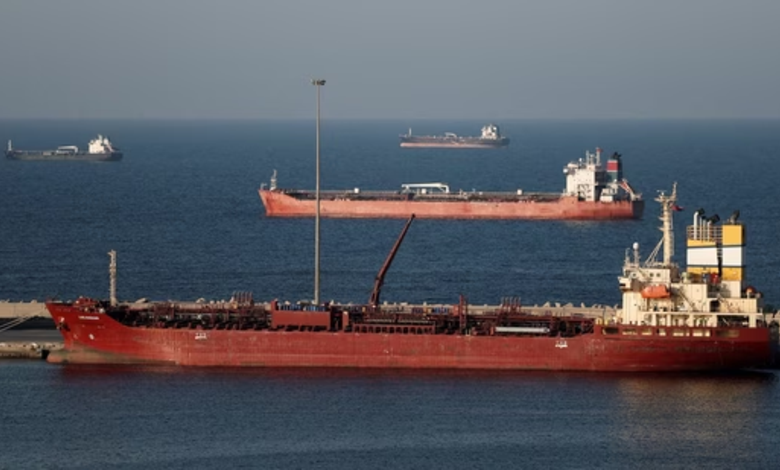
In an official statement, the MEA noted that the war has already inflicted immense suffering on civilians and severely disrupted global energy supplies as well as international trade networks. It emphasised that the truce should lead to the restoration of normal maritime activities.
Statement on the recent development in West Asia ⬇️
— Randhir Jaiswal (@MEAIndia) April 8, 2026
🔗 https://t.co/WwFCi4kXHg pic.twitter.com/wmsF4YUb7j
“We welcome the ceasefire reached and hope that it will lead to a lasting peace in West Asia. As we have continuously advocated earlier, deescalation, dialogue and diplomacy are essential to bring an early end to the ongoing conflict,” the ministry said. “The conflict has already caused immense suffering to people and disrupted global energy supply and trade networks. We expect that unimpeded freedom of navigation and global flow of commerce would prevail through the Strait of Hormuz,” it added.
The ceasefire was announced after US President Donald Trump posted on Truth Social that he agreed to suspend bombing and attacks on Iran for two weeks, subject to Iran ensuring the complete, immediate and safe opening of the Strait of Hormuz. Iranian Foreign Minister Abbas Araghchi confirmed that if attacks against Iran are halted, Iranian armed forces would cease their defensive operations.
The agreement came 39 days after airstrikes on Tehran triggered the wider conflict and just one hour before Trump’s deadline for Iran to reopen the strategic waterway. The blockade of the Strait of Hormuz had earlier raised global oil prices and energy security concerns, particularly for major Asian importers including India and China. Trump had described Iran’s 10-point proposal as “workable,” with Tehran’s demands reportedly including lifting of US sanctions and guarantees over the Strait of Hormuz.
Also Read: Inside The 10 Iran Demands US Accepted For 2-Week Ceasefire Deal With Hormuz Reopening
-

-

-
-