
India-Oman Trade Pact Heralds Fresh Era of Economic Ties, Says Muscat Policy Leader
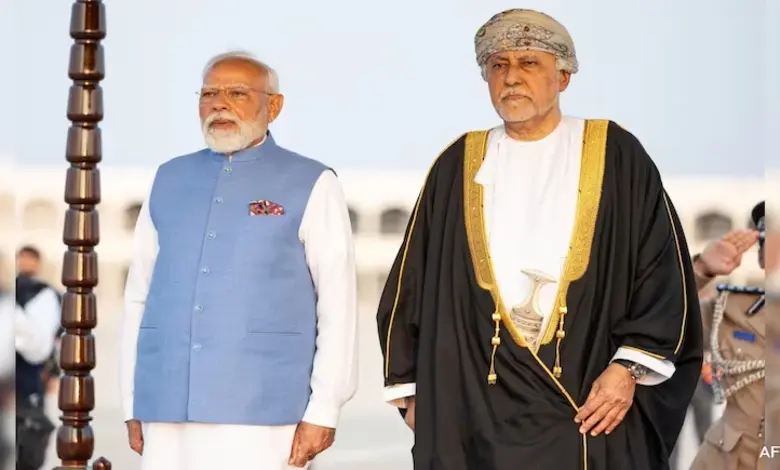
Prime Minister Narendra Modi’s visit to Muscat, marked by the signing of a Comprehensive Economic Partnership Agreement (CEPA) and the bestowal of Oman’s highest civilian honor, has been hailed by Omani experts as the dawn of a renewed chapter in bilateral relations.
In an exclusive interview, Yousuf Al-Balushi, Chairman of the Muscat Policy Council, described the trade deal as a pivotal milestone that extends cooperation well beyond traditional energy sectors into areas like pharmaceuticals, technology, defense, and regional connectivity.
The agreement, often referred to as the CEPA/FTA, is designed to boost trade, investment, and institutional collaboration between India and Oman. Al-Balushi emphasized that its completion demonstrates strong commitment from leaders on both sides, building on negotiations that began during Sultan Haitham bin Tarik’s state visit to India several years ago.
“This pact signals the genuine intent to elevate our partnership,” Al-Balushi told NDTV. However, he stressed that the true challenge lies ahead in effective execution. “What we’ve achieved today is just the starting point, not the finish line. The demanding work of implementation now begins,” he noted, adding that without ongoing political and institutional support, the agreement could remain on paper.


While energy has long underpinned India-Oman relations, Al-Balushi highlighted emerging opportunities aligned with Oman’s Vision 2040, including space technology, defense manufacturing, information technology, and advanced services. He pointed to increasing Indian private sector involvement in Oman through outsourcing, talent exchange, and projects, which the CEPA could further propel.
ALSO READ : PM Narendra Modi Arrives In Oman To Strengthen Strategic And Defence Ties
Al-Balushi urged Indian companies to view Oman not merely as an end market but as a strategic hub, given its free trade agreements with the United States and Arab nations. “Seeing Oman solely as a destination might underwhelm, but recognizing it as a bridge to broader markets unlocks real potential,” he explained.
Discussing initiatives like the India-Middle East-Europe Economic Corridor (IMEC), Al-Balushi expressed support for inclusive connectivity projects while cautioning they must account for regional challenges and avoid geopolitical divisions.
The visit’s symbolic highlights included Oman awarding PM Modi the Order of Oman, which Al-Balushi said acknowledges his role in strengthening ties and promoting global stability, reciprocating the hospitality extended to Sultan Haitham in India.
Amid global trade uncertainties, Al-Balushi sees India and Oman complementing each other’s strategic autonomy through diversified partnerships focused on technology transfer, skills development, and investment.
With robust people-to-people connections, a significant Indian diaspora, and shared cultural elements, the CEPA lays the groundwork for a deeper alliance. As Al-Balushi concluded, this moment represents the onset of reaping benefits from an evolving relationship.