
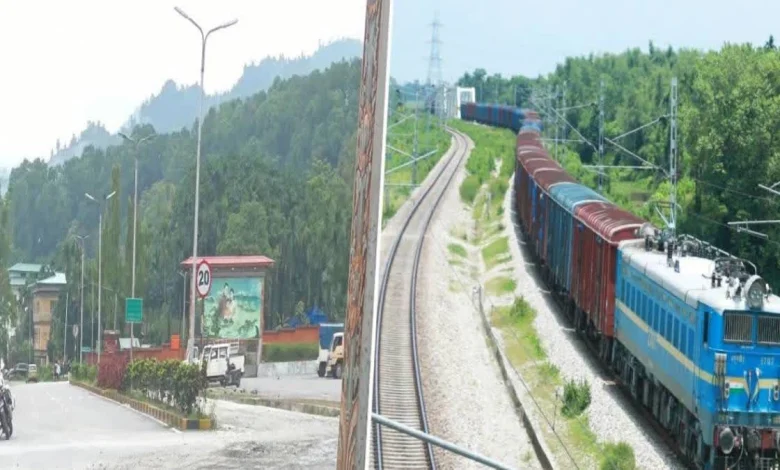
New Delhi: In a significant push towards strengthening border infrastructure, the Ministry of Railways has sanctioned a 17 kilometre strategic railway line from Khunia More near Chalsa to Jaldhaka in North Bengal at an estimated cost of rs 272 crore. The project is expected to improve connectivity to the India-China-Bhutan tri junction, boost tourism in the Dooars region, and enhance access to remote border areas.
The proposed railway line will originate from Khunia More, close to Chalsa in West Bengal, and extend to Jaldhaka, passing through the Jalpaiguri and Kalimpong forest divisions. According to officials, a joint survey by the Indian Railways and the West Bengal Forest Department will begin after the monsoon to finalise the alignment and assess environmental considerations.
The announcement was made public by Darjeeling MP Raju Bista, who said the project would significantly improve connectivity to the strategically important tri junction while opening up the Jhaldhaka-Bindu-Todey Tangta belt for tourism and economic development. He also thanked Prime Minister Narendra Modi and Railway Minister Ashwini Vaishnaw for prioritising infrastructure projects in the region.
Why the Railway Line Matters



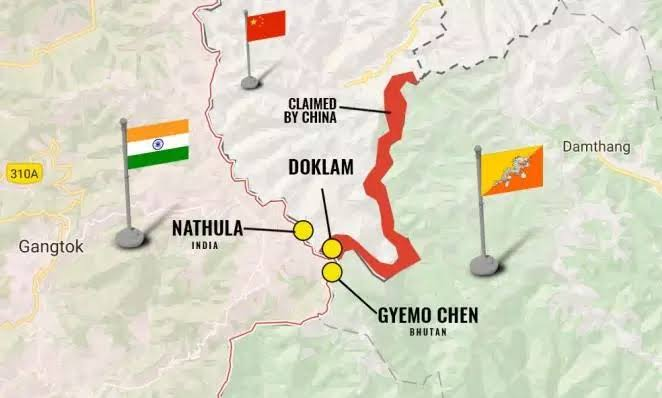
The Jaldhaka railway project carries strategic importance because it lies close to the Doklam tri-junction, where India, Bhutan and China converge. The Jaldhaka River, along which much of the proposed alignment runs, originates near Kupup Lake in Sikkim, not far from the Jelep La Pass and the Doklam region.
The area gained global attention during the 73 day Doklam military standoff in 2017, when Indian and Chinese troops faced off after China attempted to extend a road in territory claimed by Bhutan. Since then, both India and China have accelerated infrastructure development along their respective border regions, making improved transport connectivity a strategic priority.
Part of a Larger Strategic Railway Network
The newly sanctioned stretch is not an isolated project. Railway officials say it forms part of a broader vision to strengthen rail connectivity in eastern Himalayan border regions.
India is already constructing the Sivok-Rangpo railway line, which will provide Sikkim with its first ever railway connection. There are also long term plans to extend that line further towards Nathu La Pass, another strategically important location along the India-China border.
The proposed Khunia More-Jaldhaka line complements these efforts by improving access to North Bengal’s border belt and creating additional rail infrastructure in a region considered vital for national security.
Tourism and Regional Development
Apart from its strategic significance, the railway line is expected to transform tourism in the Dooars, one of eastern India’s most scenic regions known for its forests, wildlife reserves, tea gardens and river valleys.
Improved rail connectivity could make destinations such as Bindu, Jhaldhaka, and Todey Tangta more accessible, benefiting local businesses, hospitality operators and transport services while encouraging sustainable tourism in the Himalayan foothills.
Environmental Assessment Ahead
Since the proposed route passes through ecologically sensitive forest areas, Indian Railways and the West Bengal Forest Department will jointly conduct surveys after the monsoon to determine the most suitable alignment while addressing environmental and wildlife concerns. The project will move into subsequent planning stages after these assessments are completed.
Strategic Infrastructure Gets a Fresh Push
The approval of the Jaldhaka railway project reflects India’s continuing focus on strengthening infrastructure in border regions through better roads, bridges, tunnels and railway networks. Besides supporting tourism and regional development, the project is expected to improve logistics, connectivity and mobility in an area that remains strategically important due to its proximity to the India-China-Bhutan tri junction.
With surveys scheduled to begin after the monsoon, the 17 km railway line represents another step in India’s long term effort to enhance connectivity in one of the country’s most strategically significant frontier regions.
ALSO READ: Bhutan PM Calls for UNSC Reform, Backs India and Japan as “Deserving” Permanent Members