
Iran Grants Safe Passage to Indian Ships Through Strait of Hormuz Amid Regional Tensions
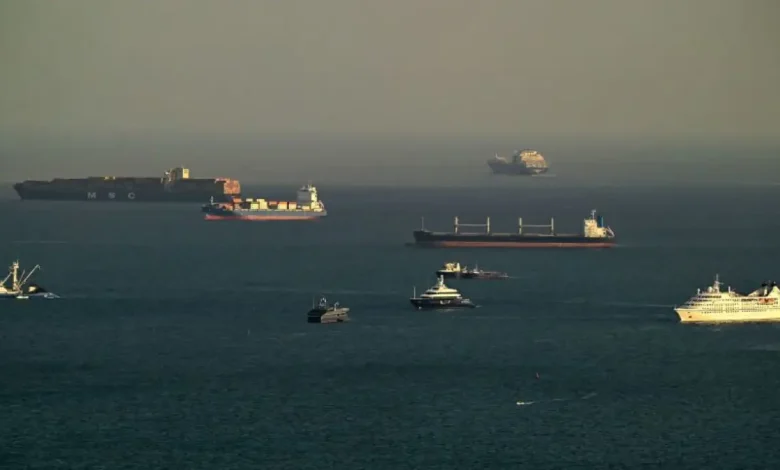
In a significant diplomatic development, Iran has assured safe transit for Indian-flagged vessels through the strategically vital Strait of Hormuz, even as escalating conflict in West Asia disrupts maritime routes. The announcement follows a telephone conversation between Prime Minister Narendra Modi and Iranian President Masoud Pezeshkian late Thursday, during which Modi emphasized India’s longstanding friendship with Iran and committed to supporting diplomatic efforts to prevent further escalation, noting that heightened conflict serves no party’s interests.
This marks one of India’s clearest expressions of solidarity with Tehran amid the ongoing hostilities triggered by US-Israel military actions and Iran’s retaliatory measures. President Pezeshkian acknowledged India’s balanced and constructive stance on global issues, along with its attempts to de-escalate tensions.
Iranian Ambassador to India Mohammad Fathali confirmed the decision when questioned about allowing India-flagged ships to navigate the strait. “Yes, because India is our friend. You will see it within 2-3 hours. We believe India and Iran share common interests in the region,” Fathali stated on Friday evening.
ALSO READ : 4 Killed As US Military Aircraft Crashes In Iraq, What Caused The US KC-135 Crash In Iraq?


The assurance comes as a relief for India, which had 28 vessels stranded in the Persian Gulf due to the Iranian blockade of the Strait. Reports late Friday indicated that Iran had permitted at least two India-flagged ships carrying gas to proceed through the passage.
India has ramped up engagement with Iran in recent days to advocate for uninterrupted movement of goods and energy supplies. Following the Modi-Pezeshkian call, External Affairs Minister S Jaishankar held his fourth conversation in two weeks with Iranian counterpart Seyed Araghchi, where BRICS-related matters were discussed again.
According to an Iranian readout, Pezeshkian reiterated Iran’s commitment to deepening ties with India through platforms such as BRICS—currently chaired by India—and urged the group to actively promote regional peace and security. Araghchi called for BRICS to adopt a constructive role in fostering stability amid the crisis and sought condemnation of US-Israel “military aggression” by regional and international bodies.
However, forging a unified BRICS position has proven challenging, given the membership of both Iran and the UAE. Indian officials noted that as chair, India is facilitating discussions via the Sherpa channel, including a recent virtual meeting on March 12, and continues bilateral engagements with BRICS partners in the region.
In the leaders’ discussion, Modi expressed deep concern over rising West Asian tensions, civilian casualties, and damage to infrastructure. While not directly naming Iran, he has previously condemned attacks in the Gulf affecting India’s energy security and diaspora interests. Pezeshkian, per the Iranian account, highlighted incidents including the killing of Supreme Leader Ali Khamenei and an attack on a girls’ school that claimed 168 student lives, yet affirmed Iran’s dedication to expanding cooperation with India in frameworks like BRICS and the Shanghai Cooperation Organisation.
The developments underscore India’s careful diplomatic balancing act in a volatile region, prioritizing the safety of its nationals, energy imports, and stable trade routes.