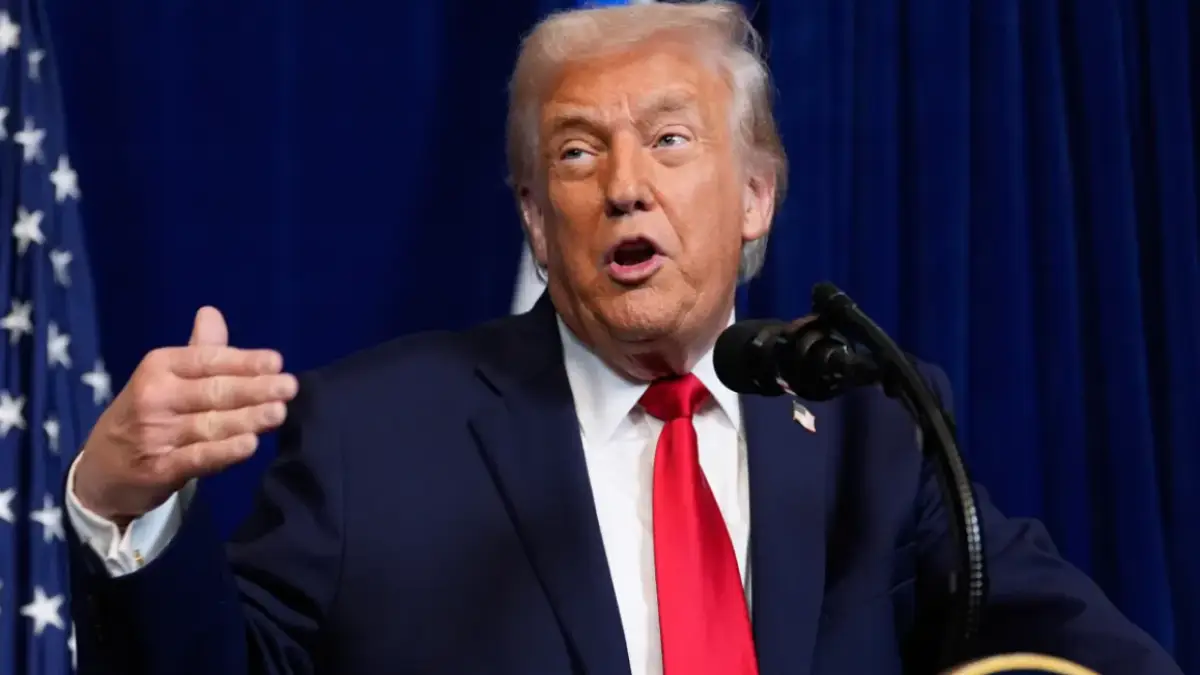
In a pointed display of resolve, the European Parliament has suspended its approval process for a significant trade agreement with the United States, directly linking the move to President Donald Trump’s recent threats of tariffs tied to his push for control over Greenland.
The decision comes after months of negotiations that culminated in a July deal—reached following intense discussions at Turnberry, Scotland—aimed at easing transatlantic trade barriers. That pact, which followed Washington’s earlier imposition of 15 percent tariffs on certain EU goods, promised to eliminate duties on many industrial products and restore stability after prolonged tensions.
However, Trump’s renewed demands regarding Greenland—an autonomous territory of Denmark—have reignited friction. The US president has threatened to impose tariffs on several European nations, including major economies like France and Germany, unless they support his ambitions for the strategically important Arctic island. These warnings, which target up to six or more EU countries depending on reports, have been viewed in Brussels as coercive and a breach of the spirit of the recent trade understanding.
Key figures in the Parliament, including Bernd Lange, chair of the International Trade Committee, emphasized that the escalating threats against Greenland, Denmark, and allied European states left lawmakers with little choice. Work on the legislative proposals stemming from the Turnberry agreement has been put on indefinite hold until Washington shifts back toward cooperation rather than confrontation. This suspension does not outright cancel the deal but sends a clear signal of displeasure, one that could unsettle American businesses reliant on access to the European market.
Centrist Renew group president Valerie Hayer highlighted the leverage at play, noting the potential economic impact on US companies if the European market becomes less accessible.
The broader EU response remains under discussion. Leaders have scheduled an emergency summit in Brussels to evaluate options, including activation of a previously agreed package of retaliatory tariffs—valued at around 93 billion euros ($108 billion)—that was paused to avert a full trade war. French President Emmanuel Macron has advocated for deploying the bloc’s anti-coercion trade instrument if pressures persist.
The parliamentary freeze serves as a warning amid ongoing deliberations on how forcefully to counter potential US actions against long-standing allies. The situation underscores the fragile balance in transatlantic relations as geopolitical and economic interests collide over the Arctic region.
-

-

-

-