
Dhurandhar Review: Brutal, Hyper-Masculine And Unapologetically Nationalistic — But Is The Violence Really The Problem?
[By Devansh Desai Mumbai Samachar Desk]
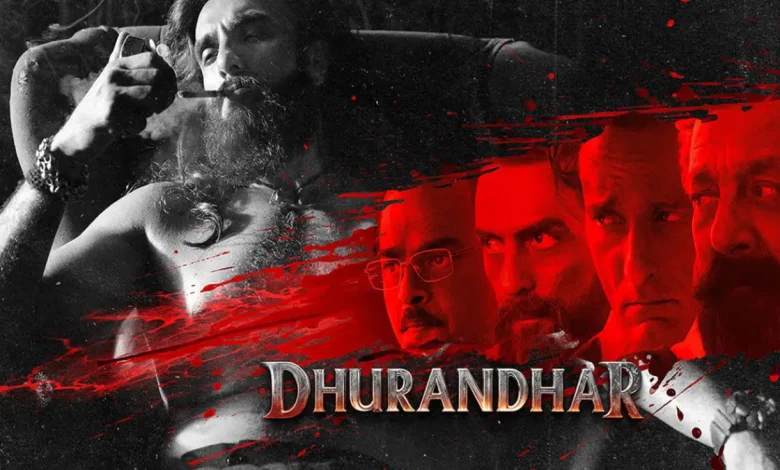
“Dhurandhar” arrives with the weight of expectation—touted as Ranveer Singh’s full-throttle comeback and already the center of an online firestorm. The debate isn’t just about whether the film is good; it’s about what its violence means, whom it serves, and why it hits audiences so differently. And as the two contrasting viewer analyses show, this is a film impossible to watch passively.
A Film That Hits the Audience in the Gut
For many viewers, “Dhurandhar” succeeds because it feels like a movie—big, bold, emotional, and unafraid to blur the line between fiction and the historical trauma it references. This perspective argues that the film’s nationalist undertone isn’t propaganda but a reflection of collective wounds that Indian society still carries. To them, the movie’s intensity is a feature, not a flaw: a three-hour espionage drama that never loses its grip and leaves the viewer stirred rather than numb.
This side sees the critique of the film’s politics or tone as less about the movie itself and more about the critic’s own ideological discomfort. In their view, Dhurandhar’s raw masculinity and patriotic charge aren’t toxic—they’re honest. They’re part of the world the film is trying to evoke, and part of the emotional experience it wants to deliver.




A Film That Forces You to Analyze What Violence Means
The second interpretation takes a more academic lens, placing Dhurandhar in the global context of how cinema uses violence. Not all violence, it argues, is equal. Cinema uses at least four types narrative, stylized, reflective, and purposeless—and Dhurandhar mostly operates in the first two.
Its bloodshed is often choreographed, rhythmic, and heightened, more reminiscent of “RRR” or “Jawan” than grounded brutality. At times, the violence supports character arcs; at others, it builds a mythic sense of power. According to this reading, the film isn’t interested in realism so much as emotional momentum inviting viewers to step into an operatic world where pain and vengeance are painted with broad strokes.
The analysis also draws a clear distinction: stylized gore in an action universe is one thing, but violence that resembles everyday social realities like domestic abuse or romanticized aggression—is far more harmful because audiences can relate to it too easily. That’s why films such as “Kabir Singh” or “Animal” attract criticism, while Dhurandhar, for all its carnage, does not fall into the same category.
So Is Dhurandhar’s Violence Justified?
Surprisingly, both viewpoints converge on one conclusion: The violence is extreme, but it isn’t meaningless.
Some scenes beheadings, torture sequences are undeniably hard to watch. But they serve narrative and stylistic purposes rather than existing as shock value alone. The director could have softened the visuals, but the creative choice is deliberate, part of a world built on high stakes and high emotion.
A Film That Divides Because It Asks Viewers to Pick a Side
The divide surrounding Dhurandhar has little to do with its craftsmanship and everything to do with how viewers interpret masculinity, nationalism, and cinematic intensity. For some, the film is exhilarating—a reminder of grit, sacrifice, and a version of India that refuses to be underestimated. For others, the same elements feel provocative or emotionally overwhelming.
What’s clear is that Dhurandhar has become more than a movie; it’s a cultural Rorschach test. It tells you as much about the viewer as it does about the film itself.
My Verdict
“Dhurandhar” is not subtle. It’s not gentle. And it’s definitely not for everyone.
But it is ambitious, emotionally charged, and stylistically unafraid.
Whether you walk out pumped with adrenaline or weighed down by discomfort, one thing is guaranteed:
You won’t walk out indifferent.
Rating: ★★★★☆ (4/5)
A flawed but gripping spectacle that demands discussion.